We’ve been working with the Natural History Museum to brand and communicate the transformation of five acres of their gardens in South Kensington, and to help kick-start a new urban nature movement.
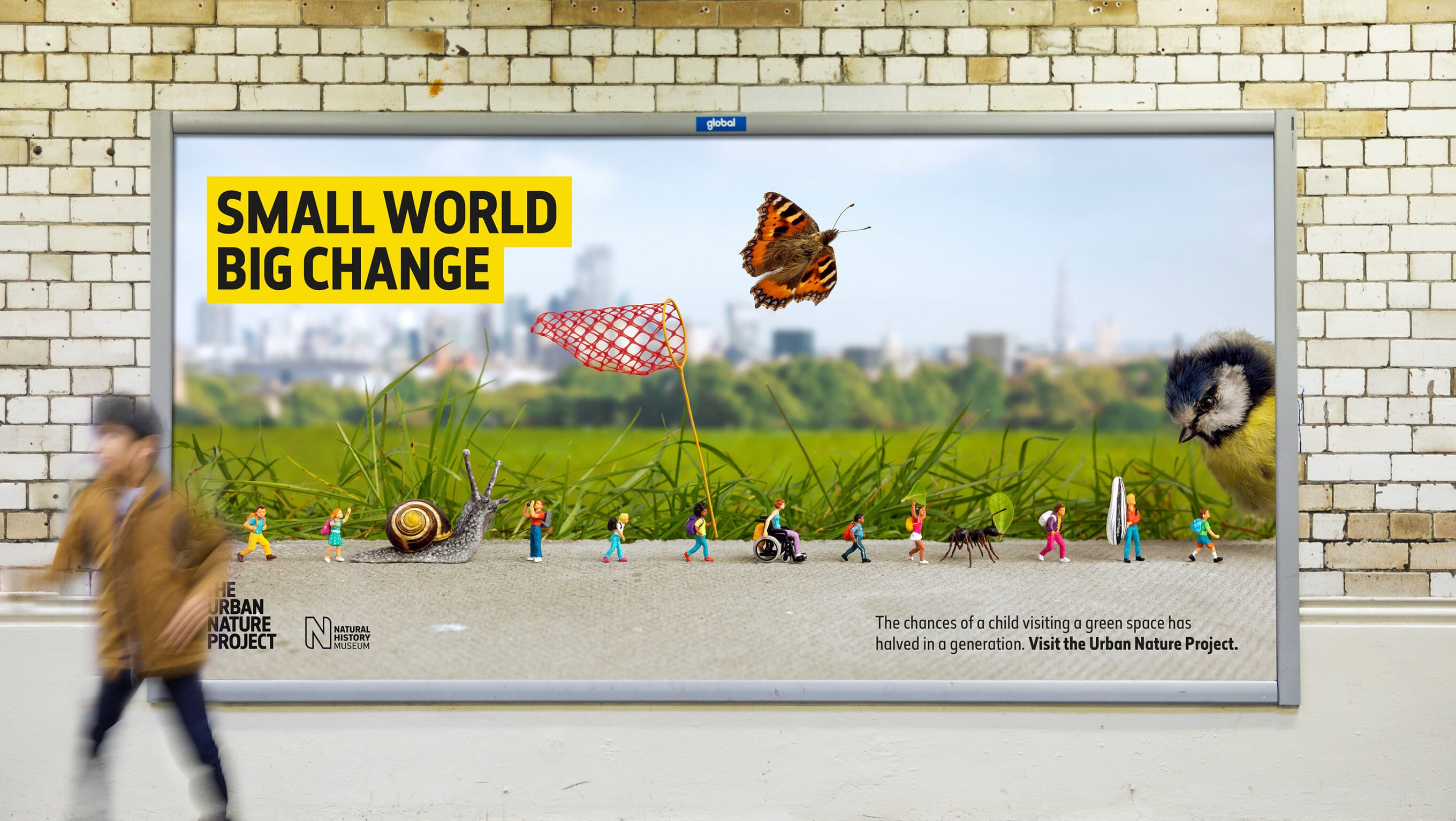
The pandemic really enhanced our appreciation of the nature that lives amongst us in our towns and cities – but it is here that nature faces an uphill struggle. 80% of us live in urban areas, yet don’t understand that we’re surrounded by nature, every second of every day. Many children have become cut-off from the natural world – the chances of them visiting a green space has halved in a generation.
The Urban Nature Project’s task is to highlight the species that are in danger, help all of us understand and protect the nature on our doorstep, and inspire a new generation to get involved.
New outdoor galleries and wildlife gardens will showcase the Museum's research and help the public learn about the diversity of life on Earth over time. Museum staff will work with organisations, schools and local community groups across the UK to get children and young people more involved, and help everyone to learn about humanity's impact on the natural world.
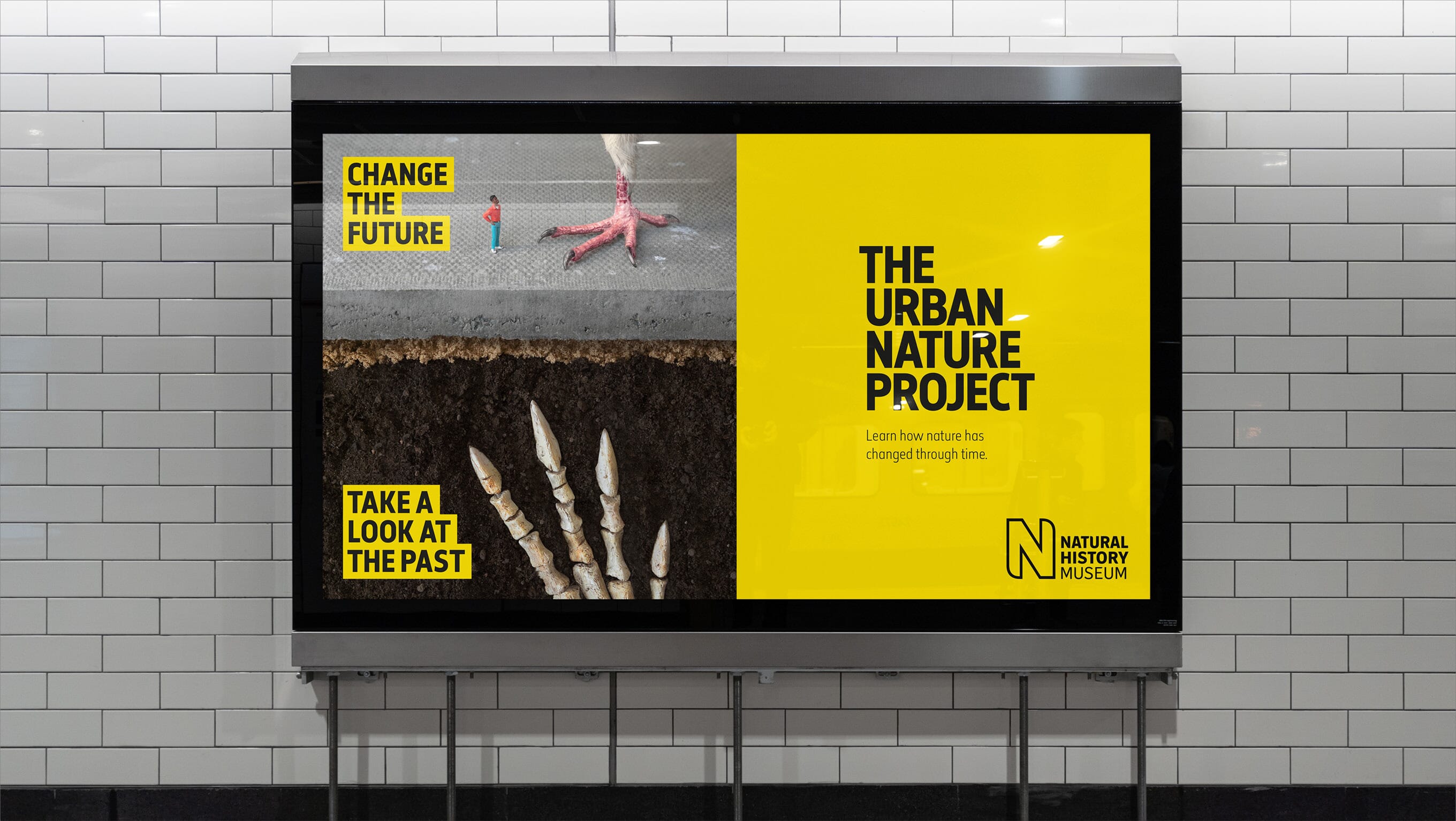
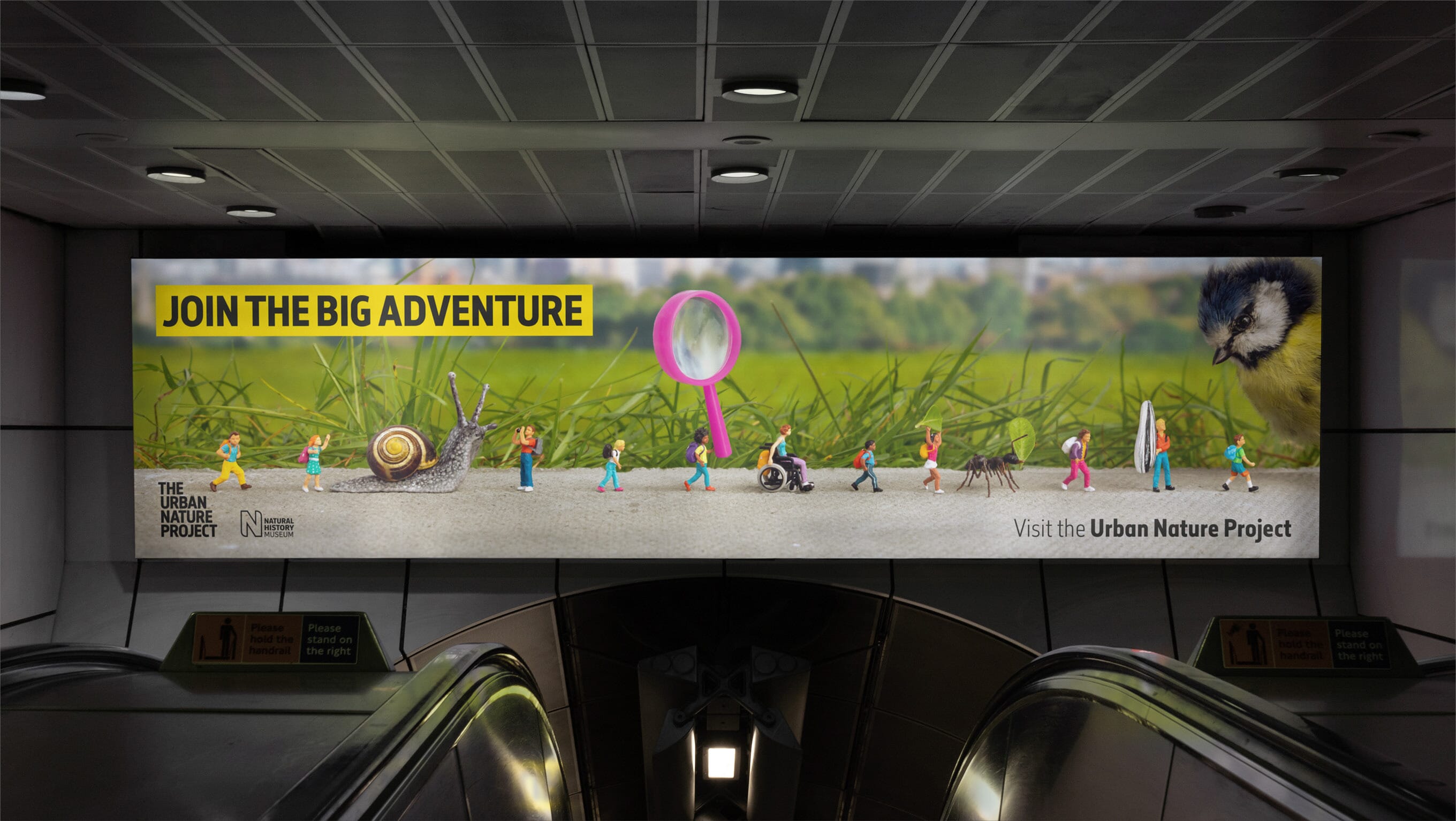
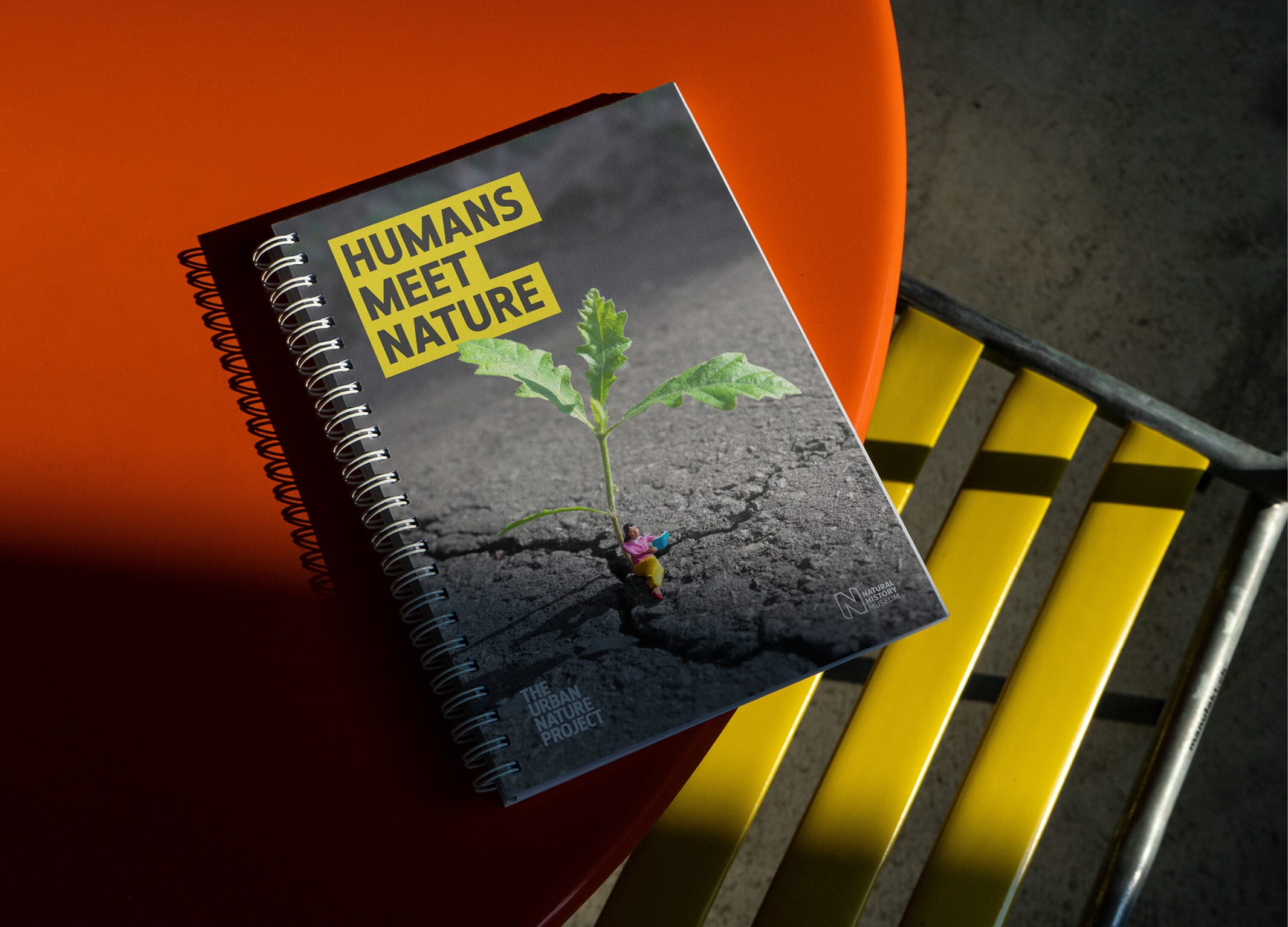
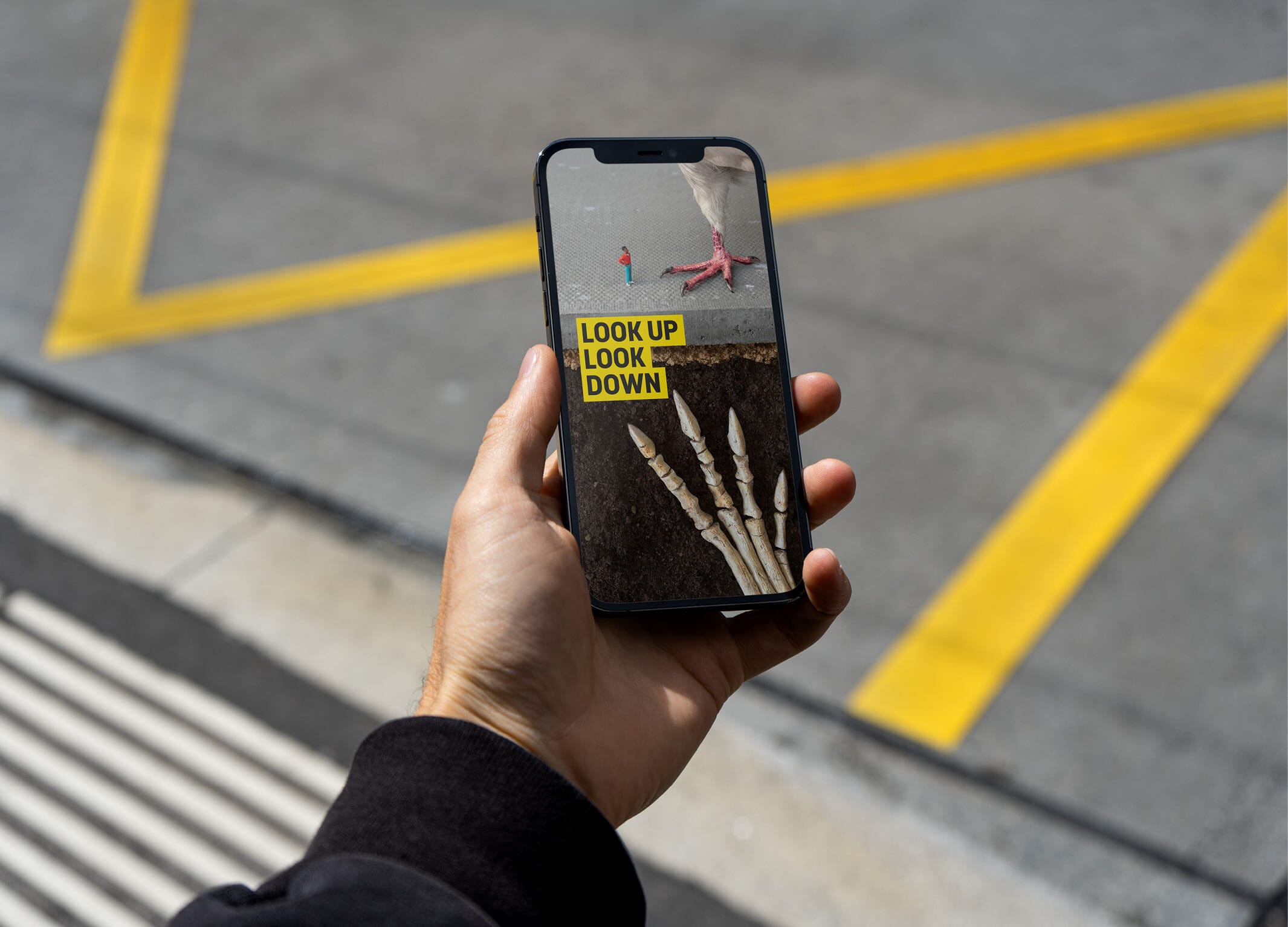
Our messaging and design task centred on how to communicate that which is all around us – yet we almost take for granted. We looked at many ways to achieve this – and plumbed many clichés – before developing a route that shifts the viewers’ perspective, literally. The idea zooms in on urban nature, putting humanity and nature on a more equal footing.
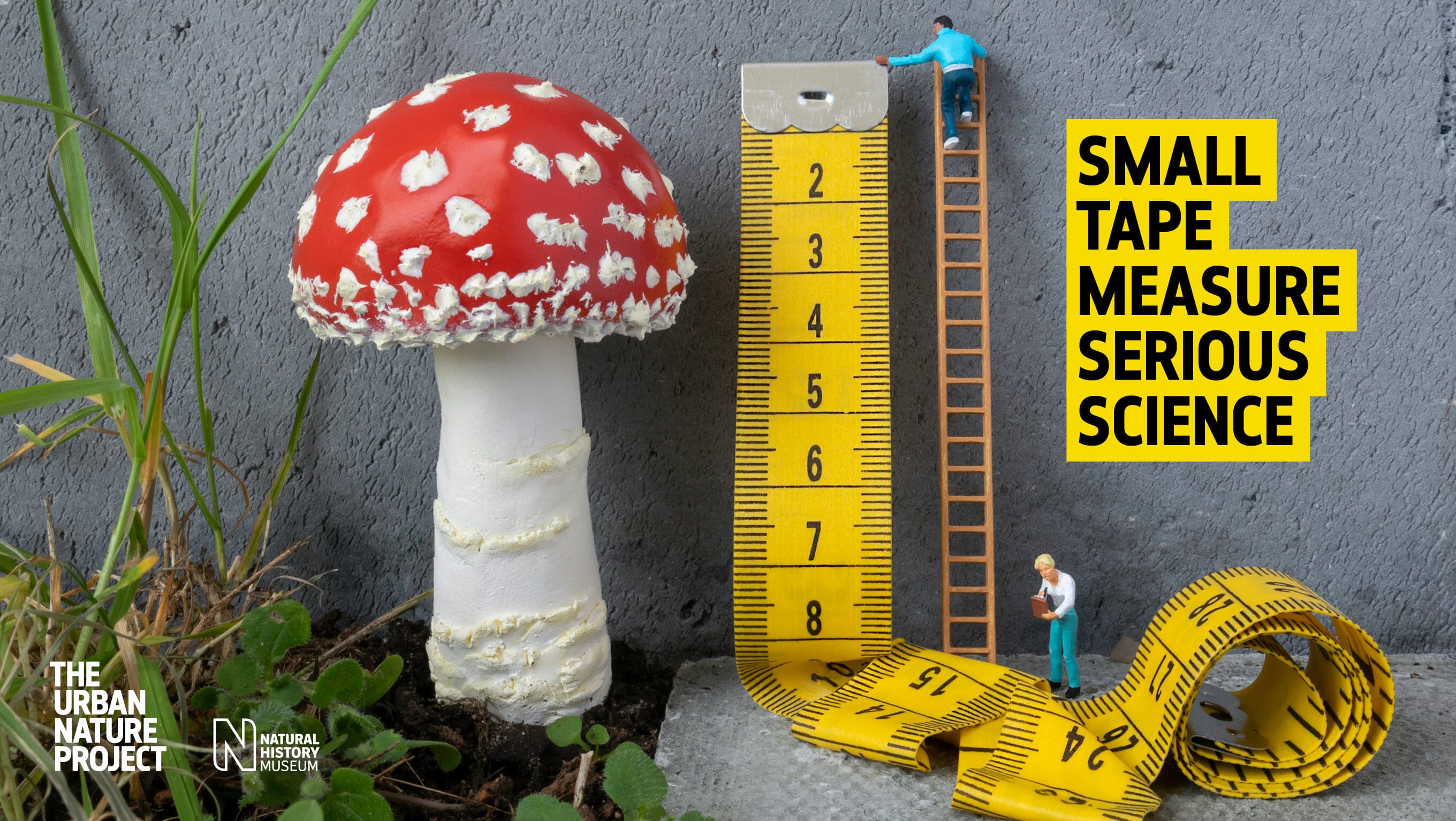
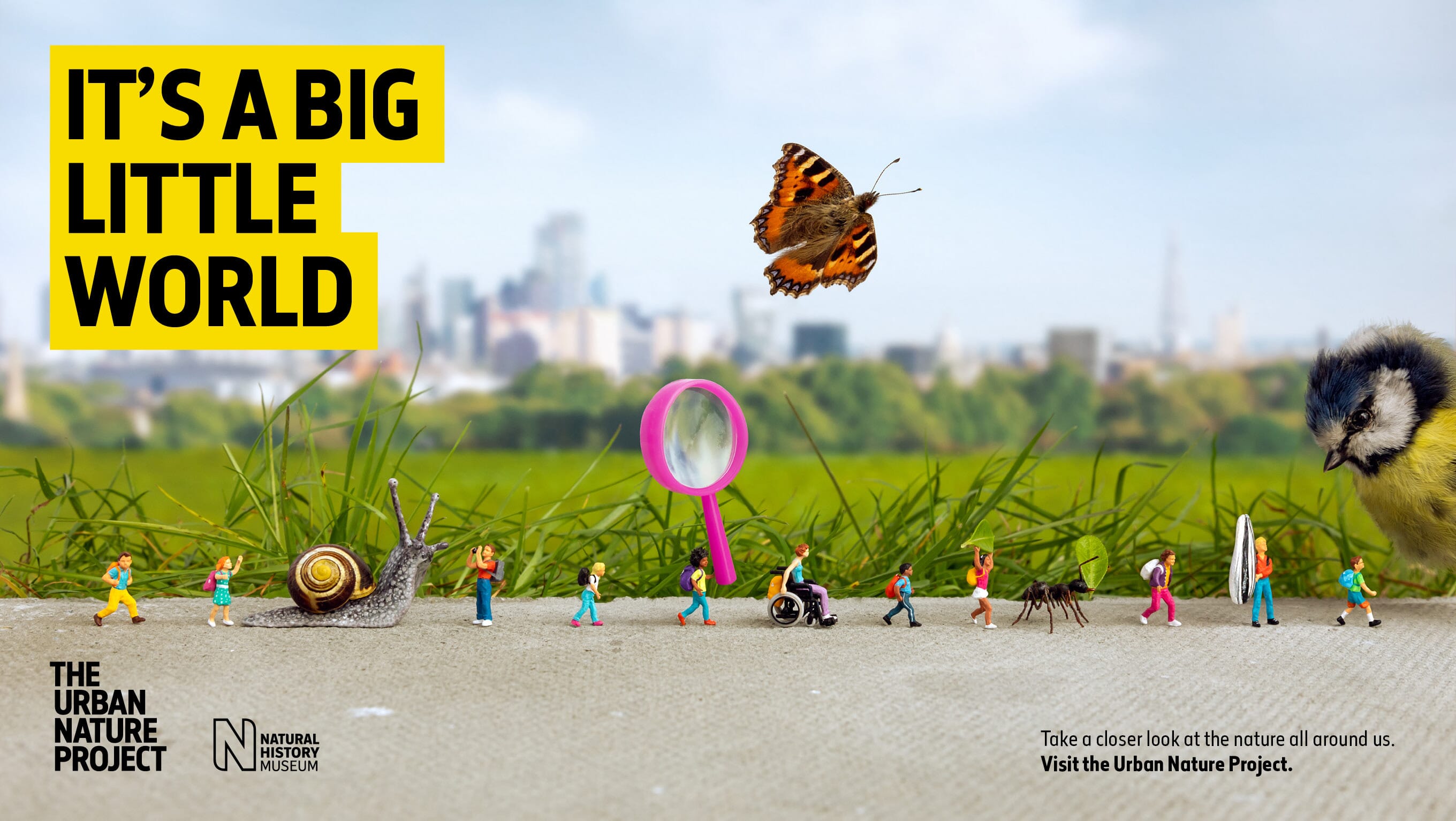
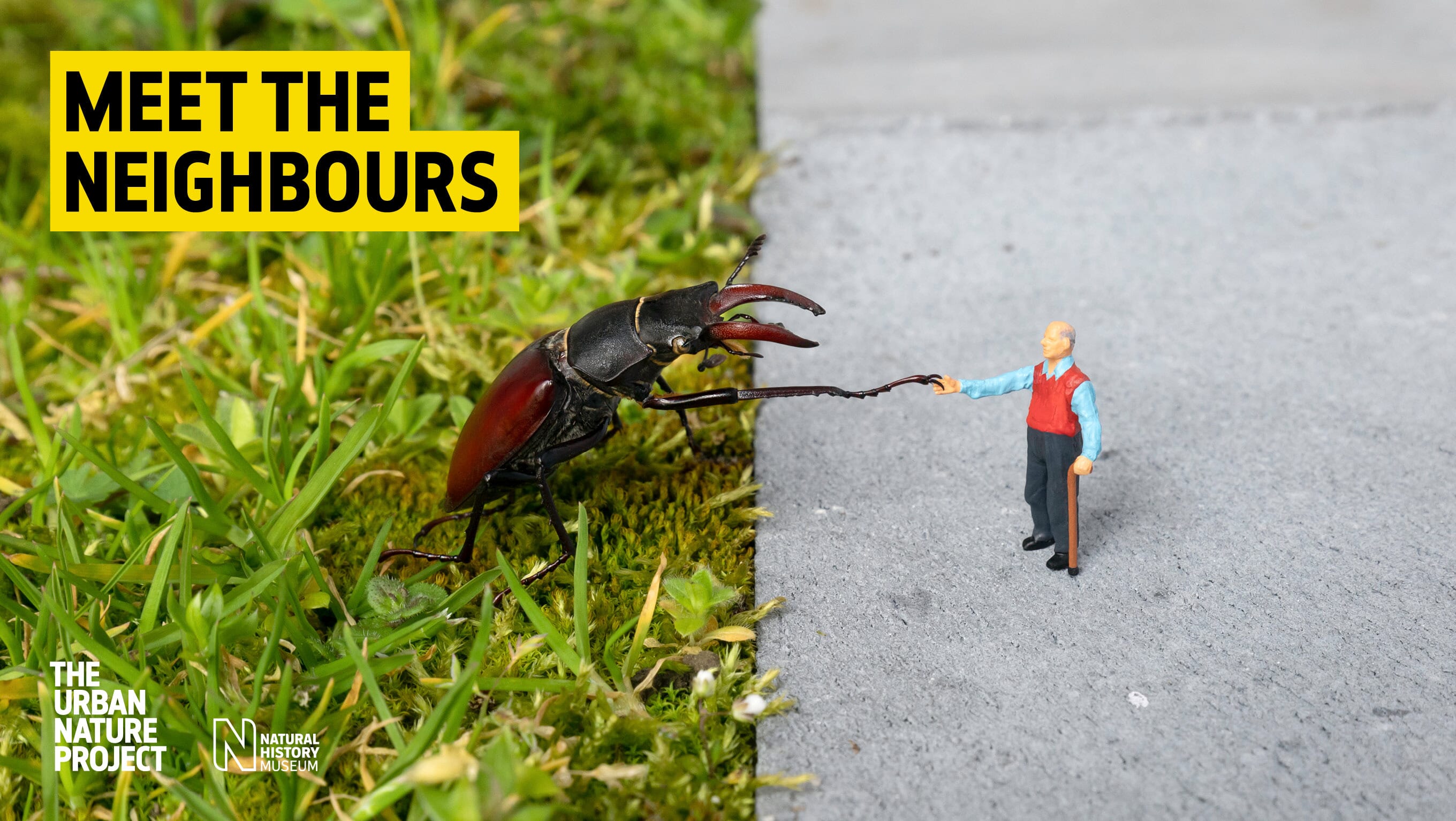
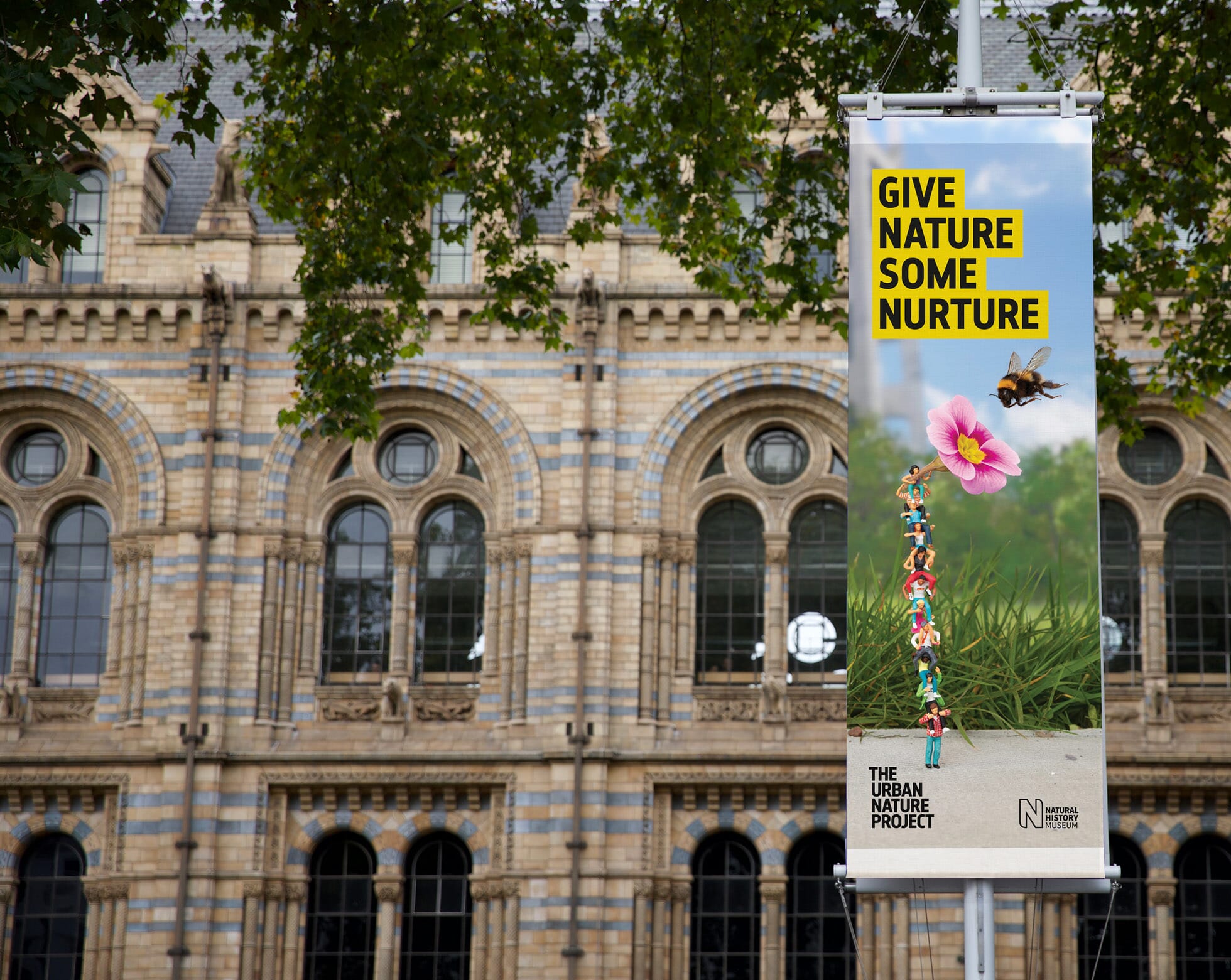
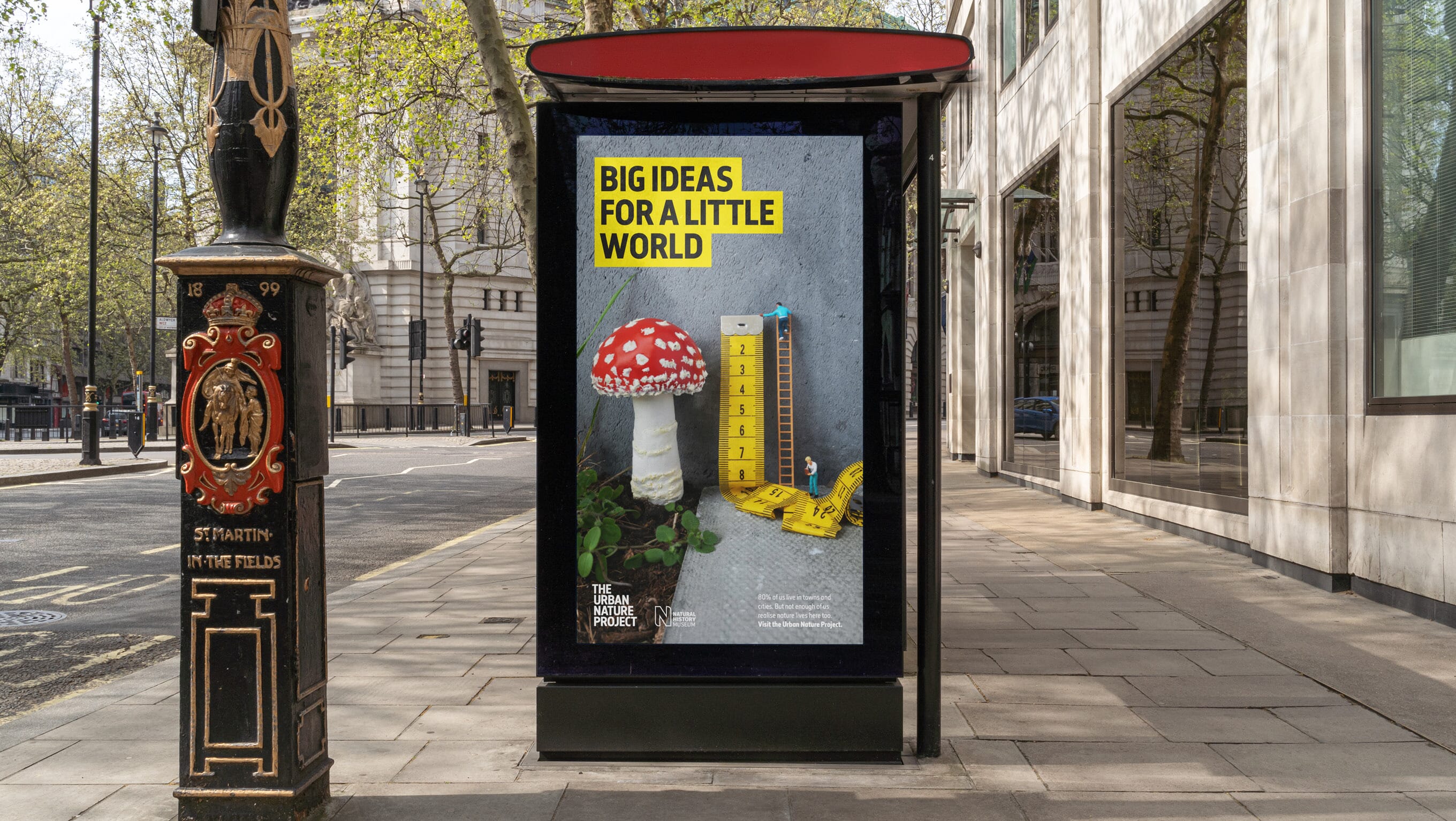
To do this we teamed up with photographic artist Slinkachu – famous for creating street art installations with miniature figures – to create a series of vignettes of humankind working alongside nature, not against it.
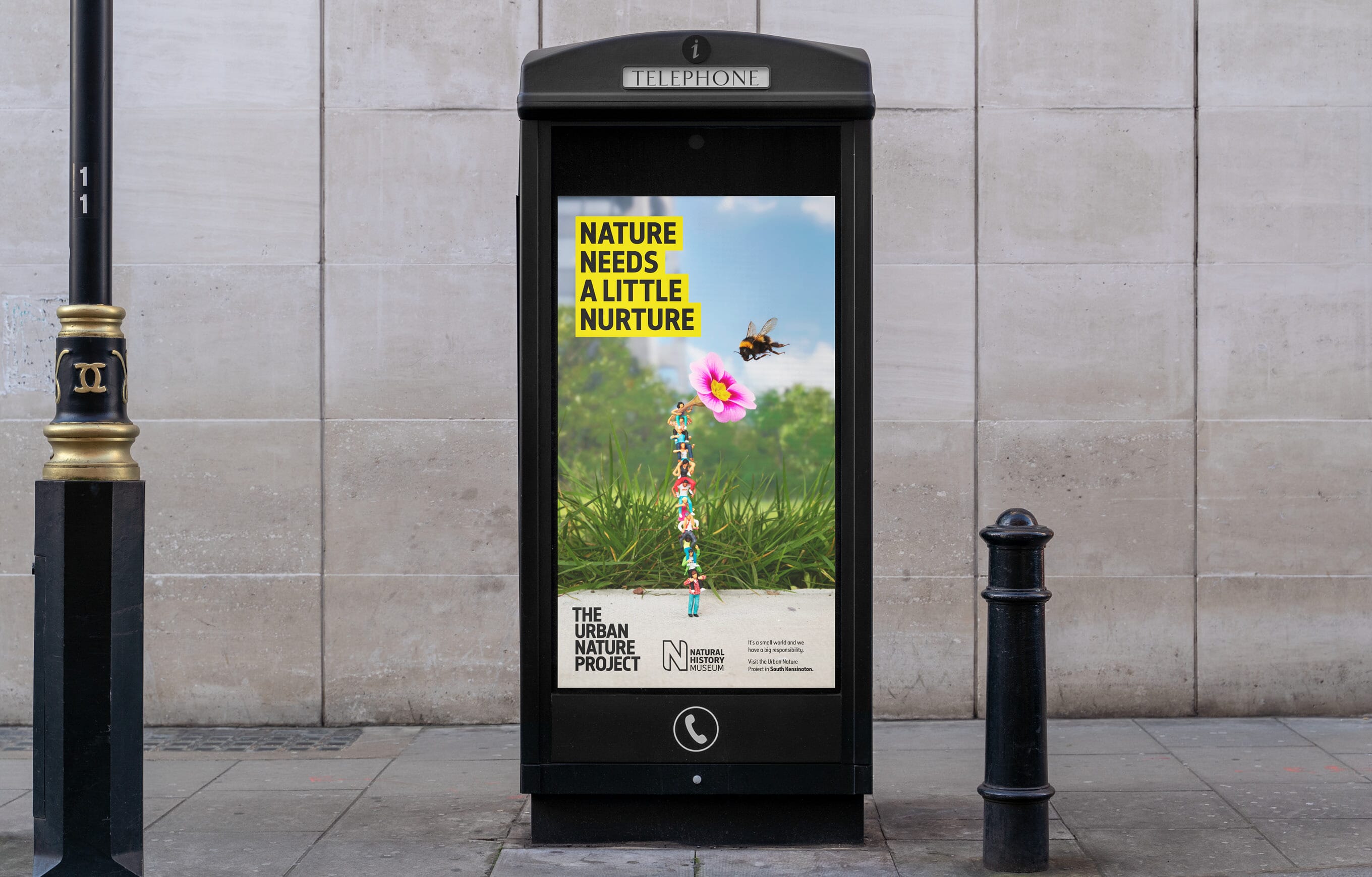
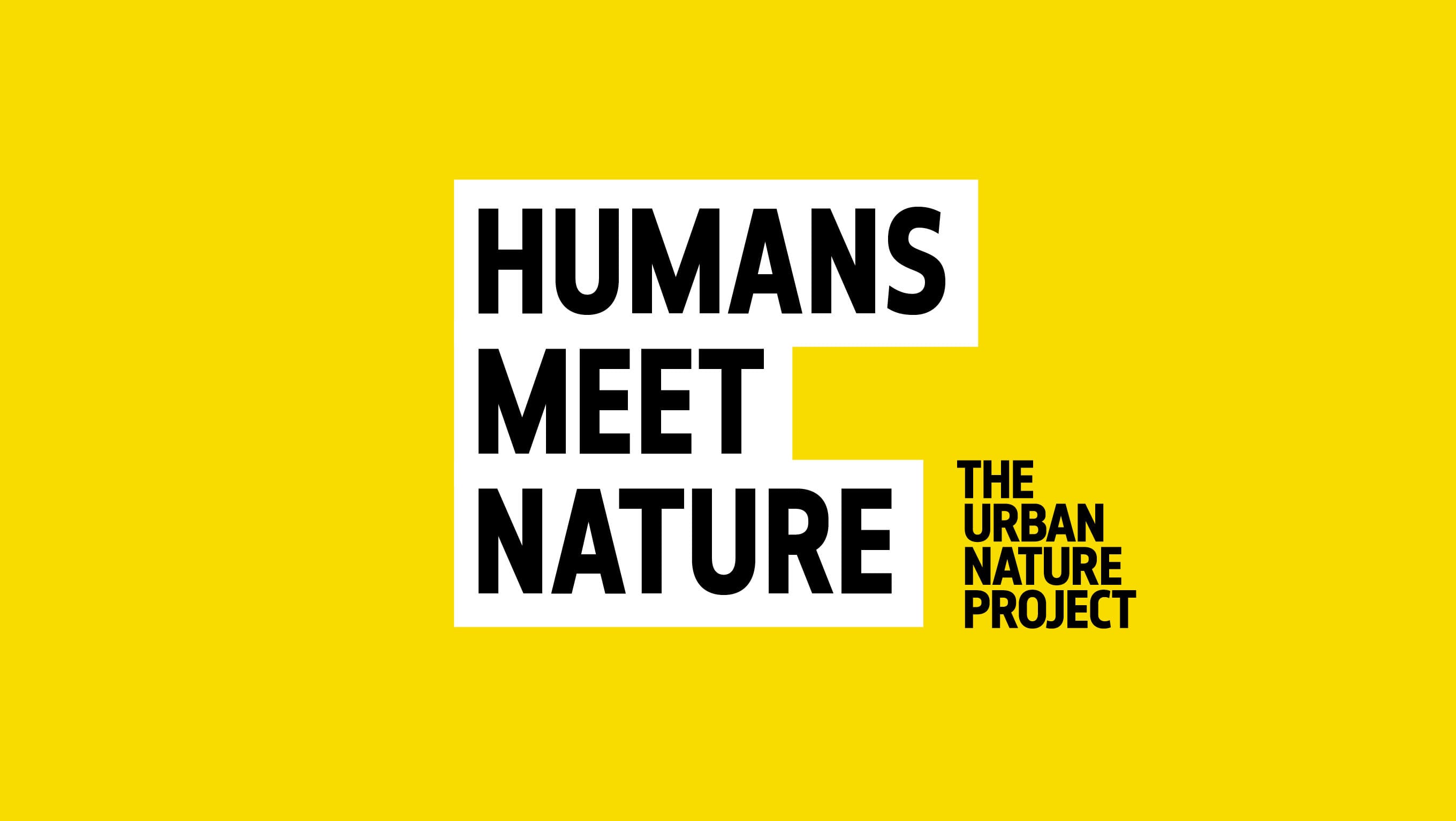
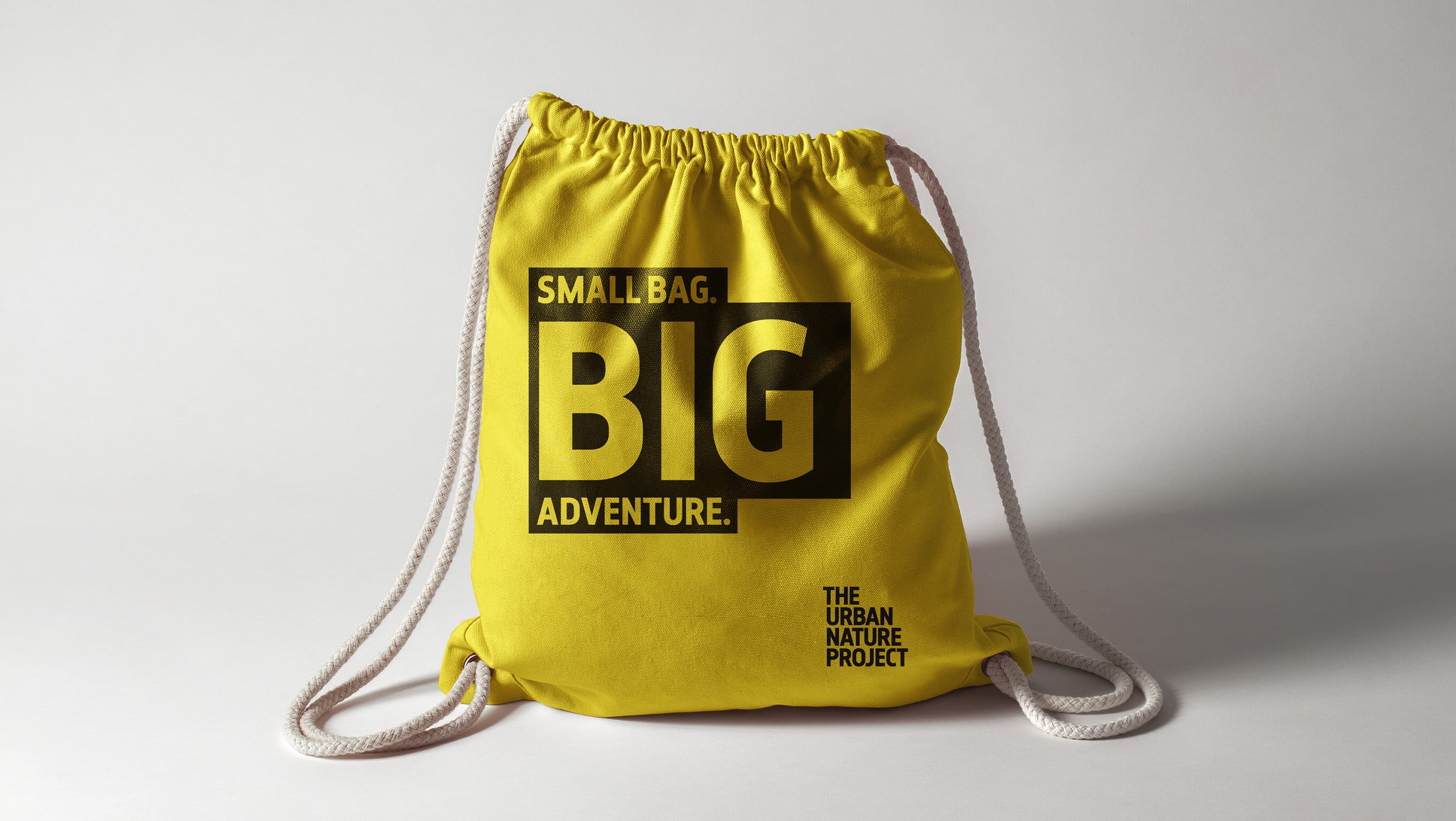
We then paired Slinkachu’s ‘double-take’ imagery with an arresting design toolkit that took the current Museum house-style into more campaigning territory. By using the Museum’s font in its boldest weight, a yellow, black and white livery and short, punchy sentences our aim is to grab the attention of visitors and passers-by, by all means necessary.
Planning for the project has been approved, building begins in Spring 2022 and the gardens are due to open in 2023, with the Museum’s outreach teams working alongside the Wildlife Trusts to establish wildlife study sites across the UK.
The Covid-19 lockdowns brought many of us closer to our natural environments – but the climate crisis is making it abundantly clear that the future of our natural world is in our hands. Humans rely on nature to survive, so protecting biodiversity means protecting generations to come.
The project’s vision is of a future where both people and planet thrive. But we need to learn more, connect with each other and act together to protect our urban nature – and we need to do it now.
The team
- Messaging and design: Johnson Banks
- Additional copywriting: Nick Asbury
- Imagery: Slinkachu