The Royal Botanic Garden Edinburgh hadn’t looked at their brand for over a decade, and in the face of two enormous challenges – a biodiversity crisis and climate emergency – they needed to have more impact, be better understood and better supported.
Established near Holyrood Abbey in 1670 as a physic garden before moving to its famous Edinburgh site in 1820, it has grown into a global centre for biodiversity science, horticulture and education, with three other gardens across Scotland. A project looking at its strategy and mission had developed a new vision of ‘a positive future for plants, people and the planet’ – and its verbal and visual brand needed to adapt.
The challenge for botanic gardens – especially those who want to better explain the science or develop a more strident voice – is how to bring in new audiences and get those bolder messages over, without alienating their legacy visitors. In addition, Edinburgh’s brand lacked a sense of cohesion and the expected gravitas of a Royal institution.
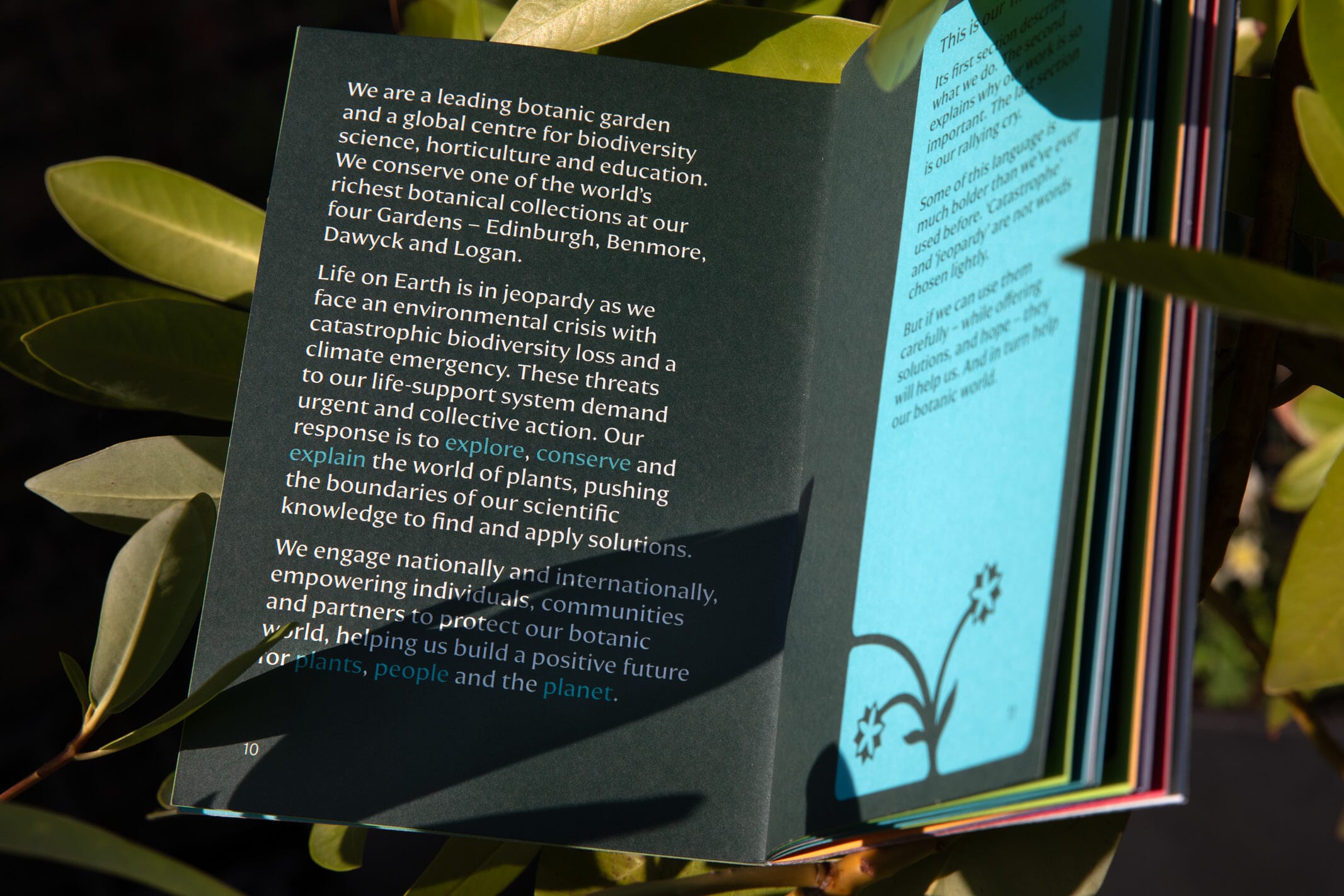
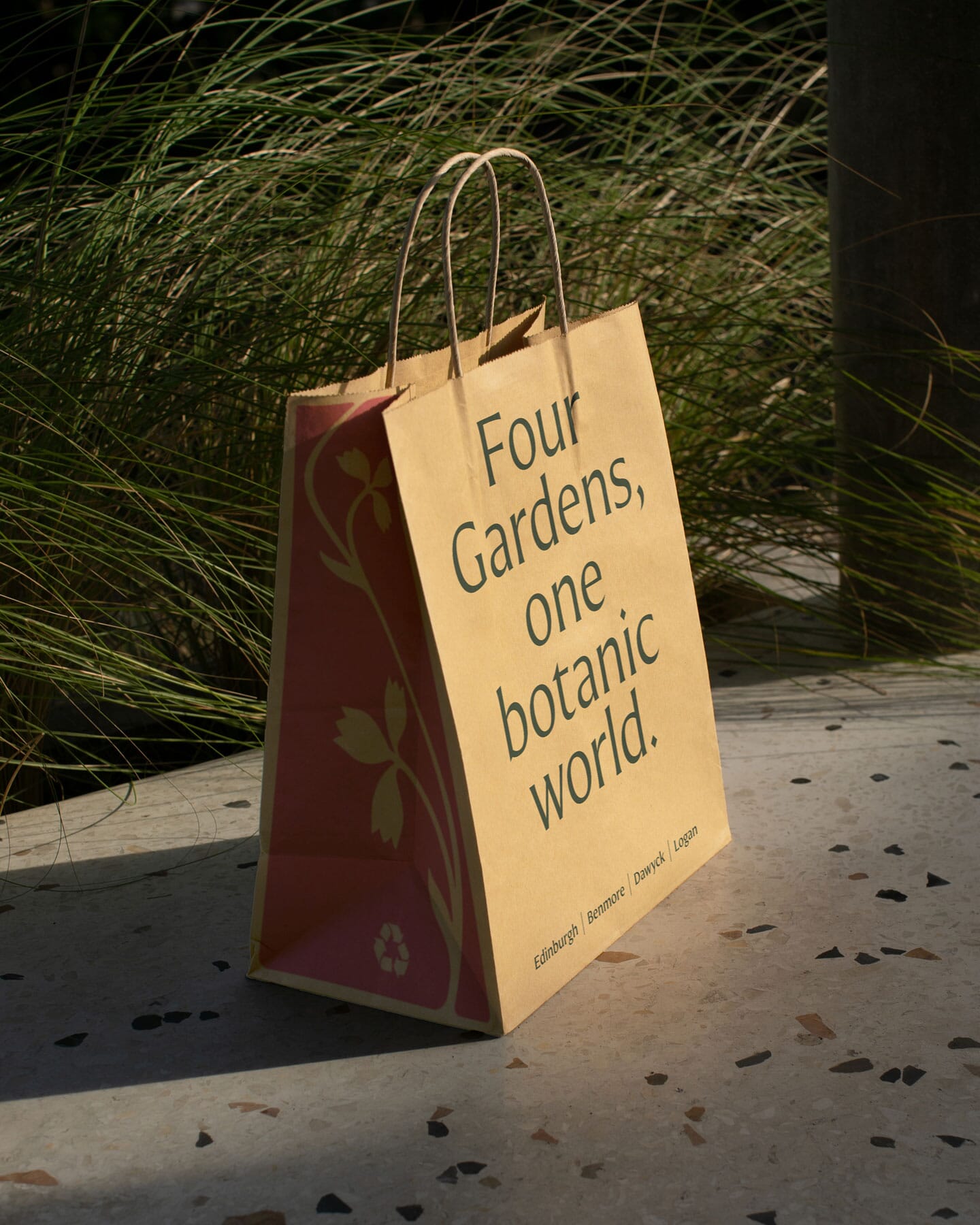
We began with a new a core idea – four gardens, one botanic world – which brings the gardens in Edinburgh, Benmore, Dawyck and Logan together, in just five words. Then their new brand strategy - developed by Winster Marsh - explains what they do and why it’s so important.
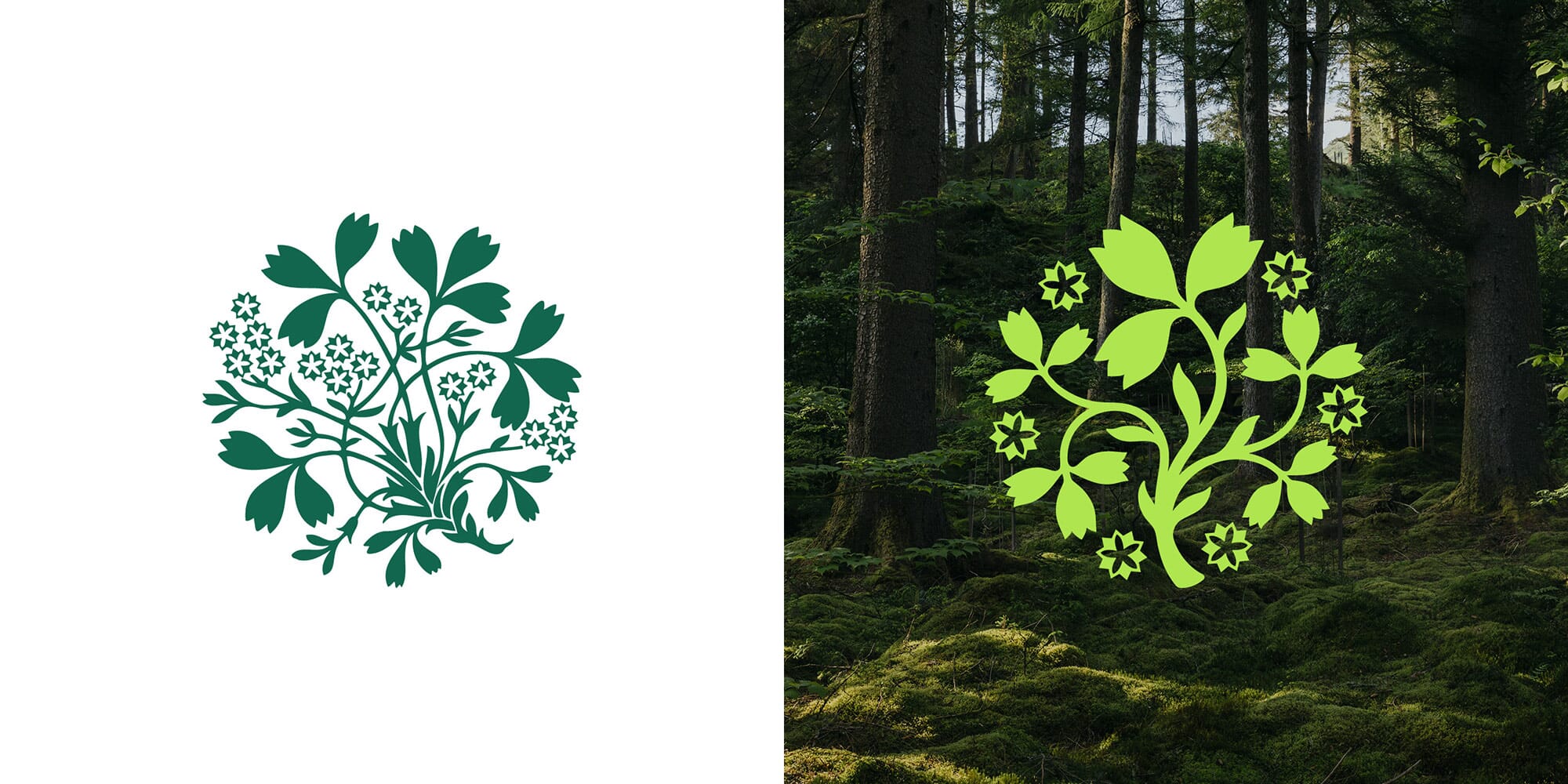
The design phase began with an honest conversation about their legacy symbol, a drawing of a characteristic arctic-alpine plant found in the Scottish Highlands called Sibbaldia procumbens. It was named by Carl Linnaeus in his 1753 Species Plantarum, in honour of Robert Sibbald, who founded the Garden in Edinburgh.
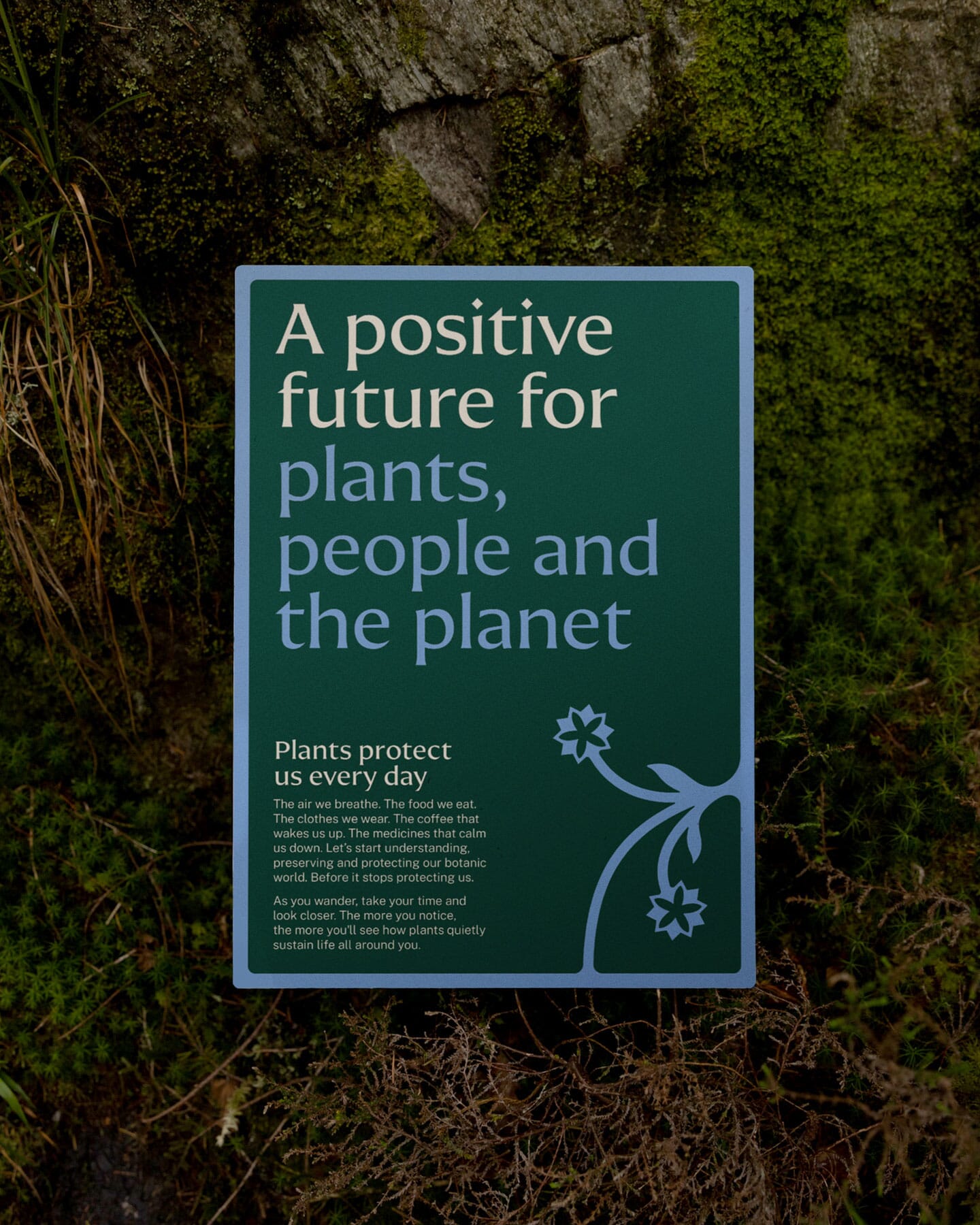
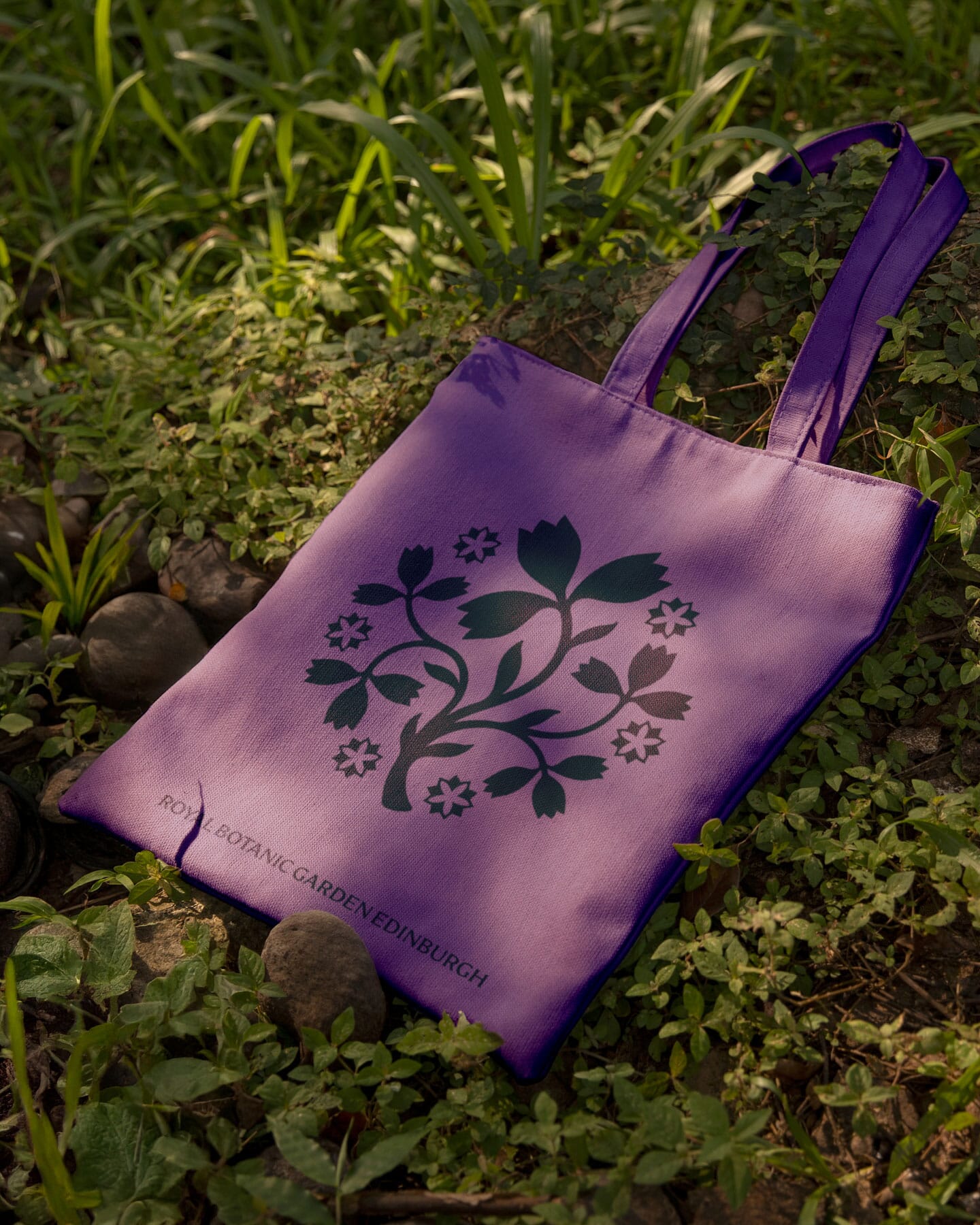
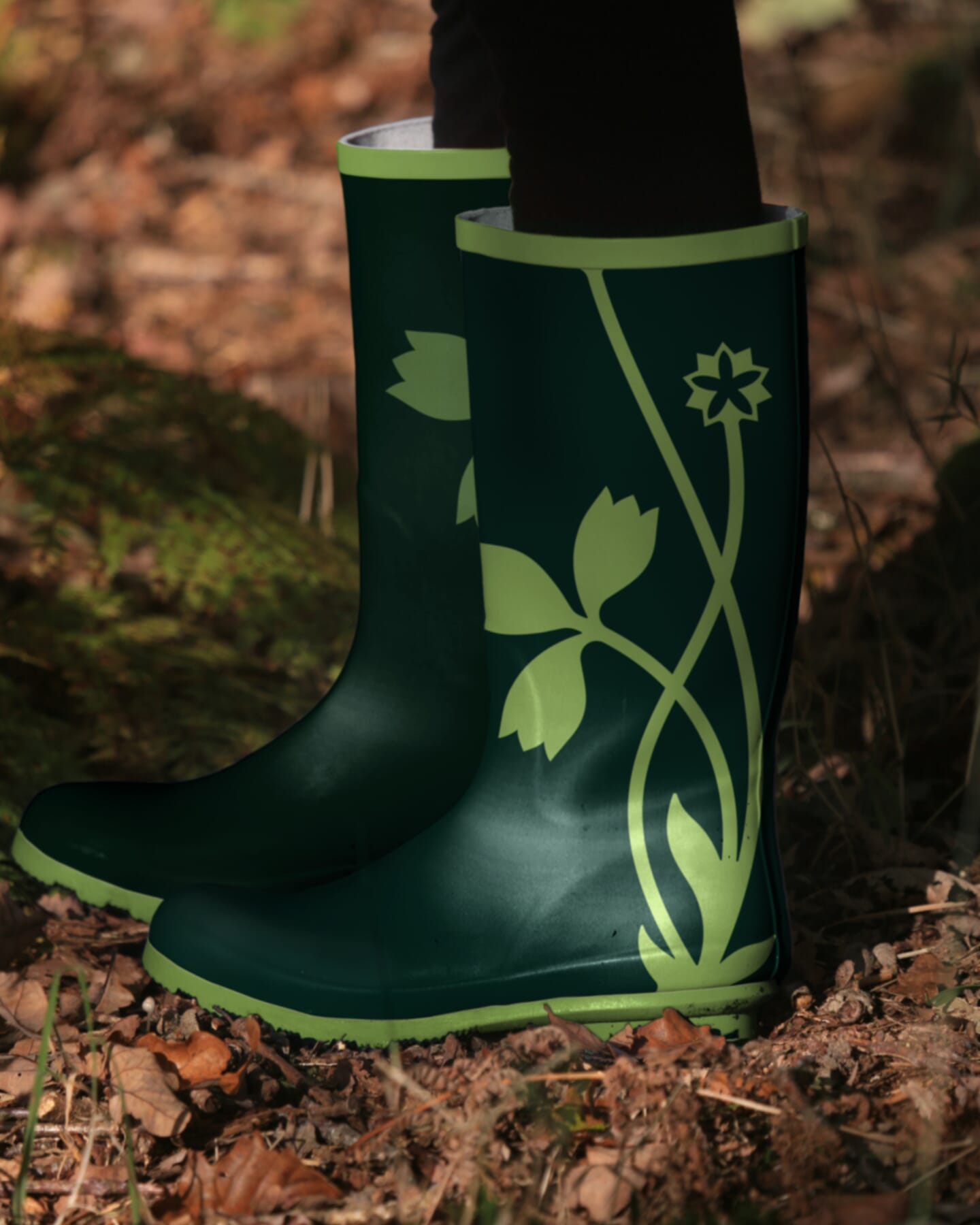
There was little denying its relevance to their mission to ‘explore, conserve and explain the world of plants’, yet the old version was too complicated for a screen-based world. So bit by bit, leaf by leaf, we carefully redrew and simplified it.
We’ve also given the symbol a much more active role. The four gardens are here to help preserve and protect – so there are versions of it that can give a gentle ‘hug’ to other plants, and people.
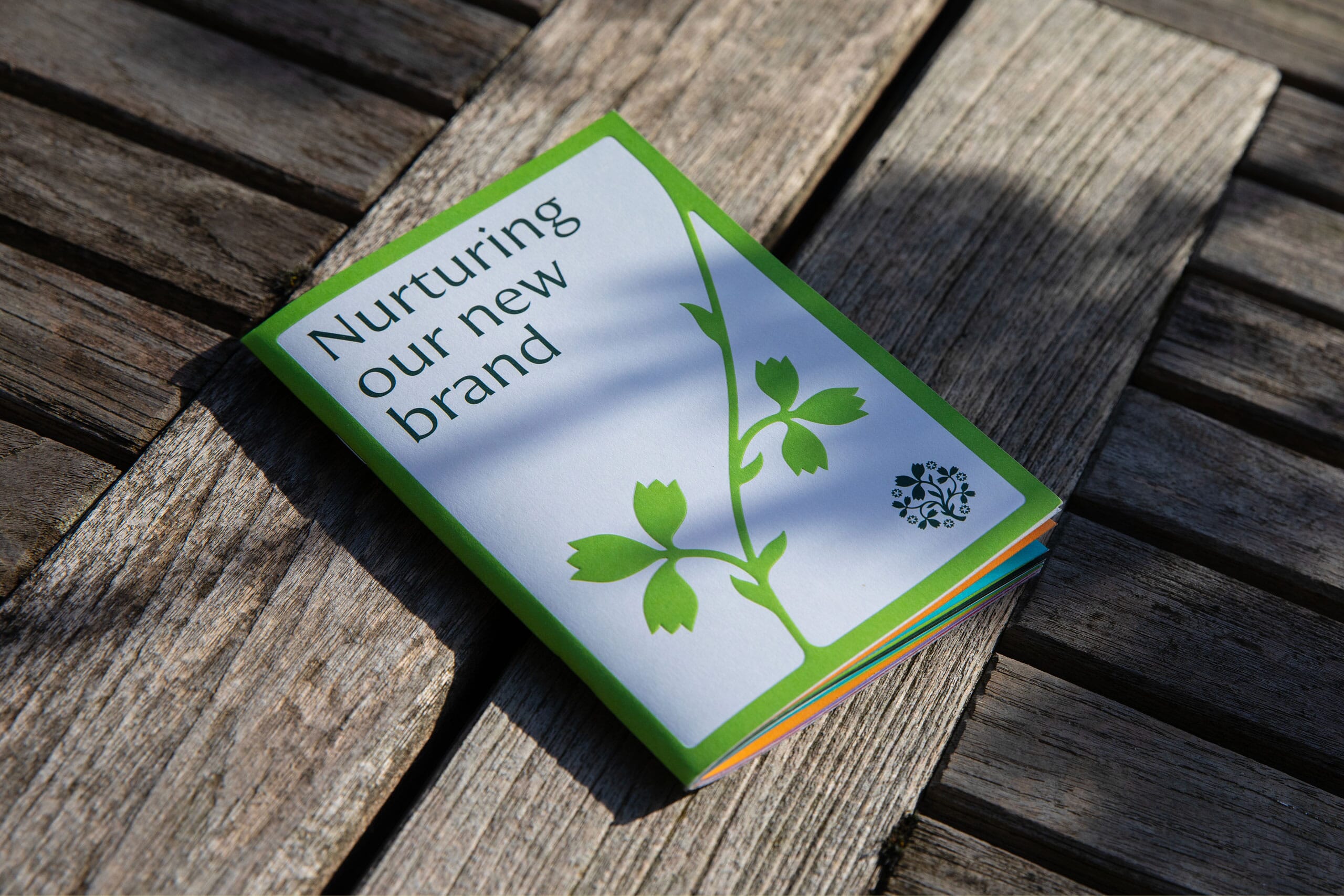
We have specially designed borders that can be used to frame the work, and remind people that they are always there, not an afterthought.
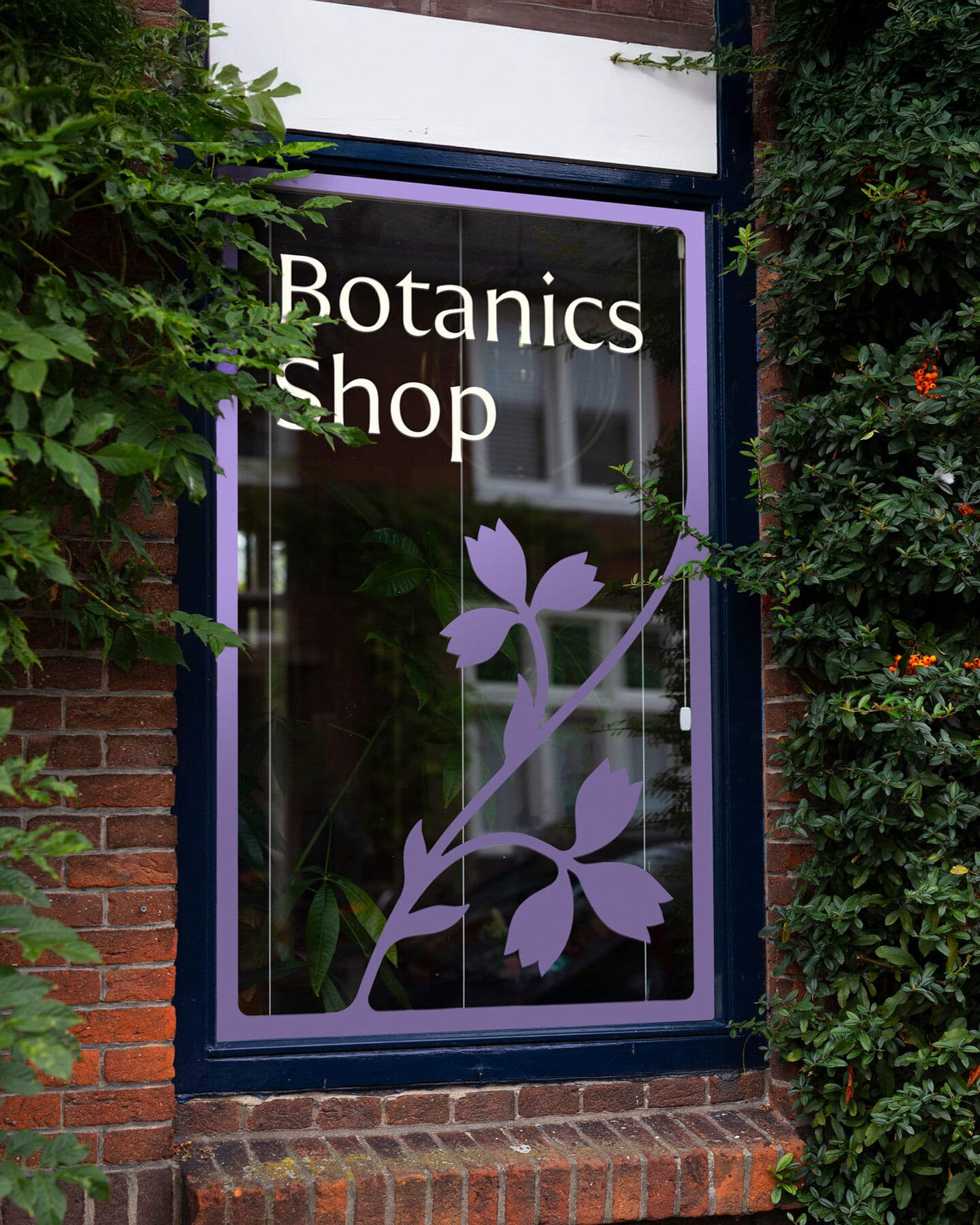
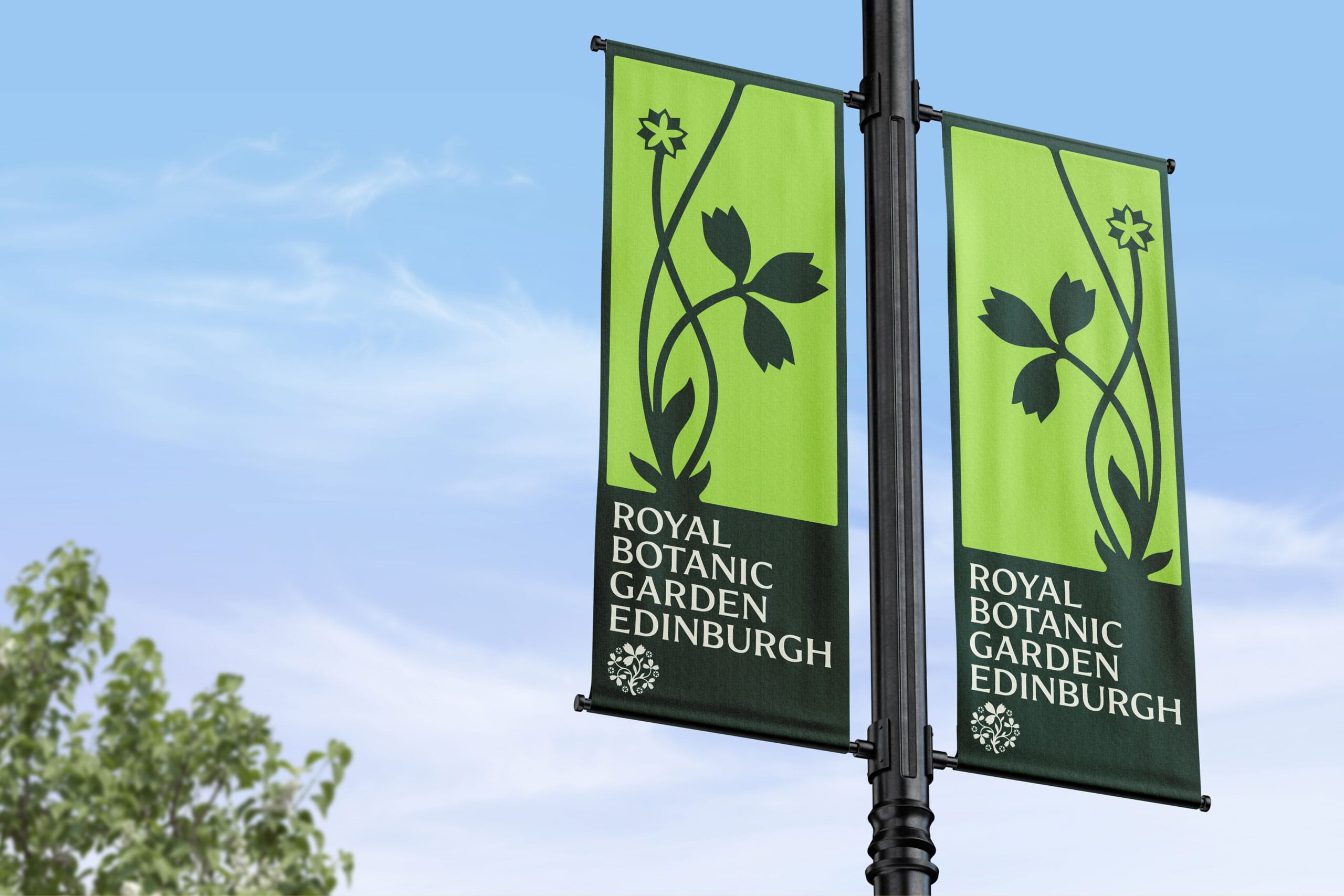
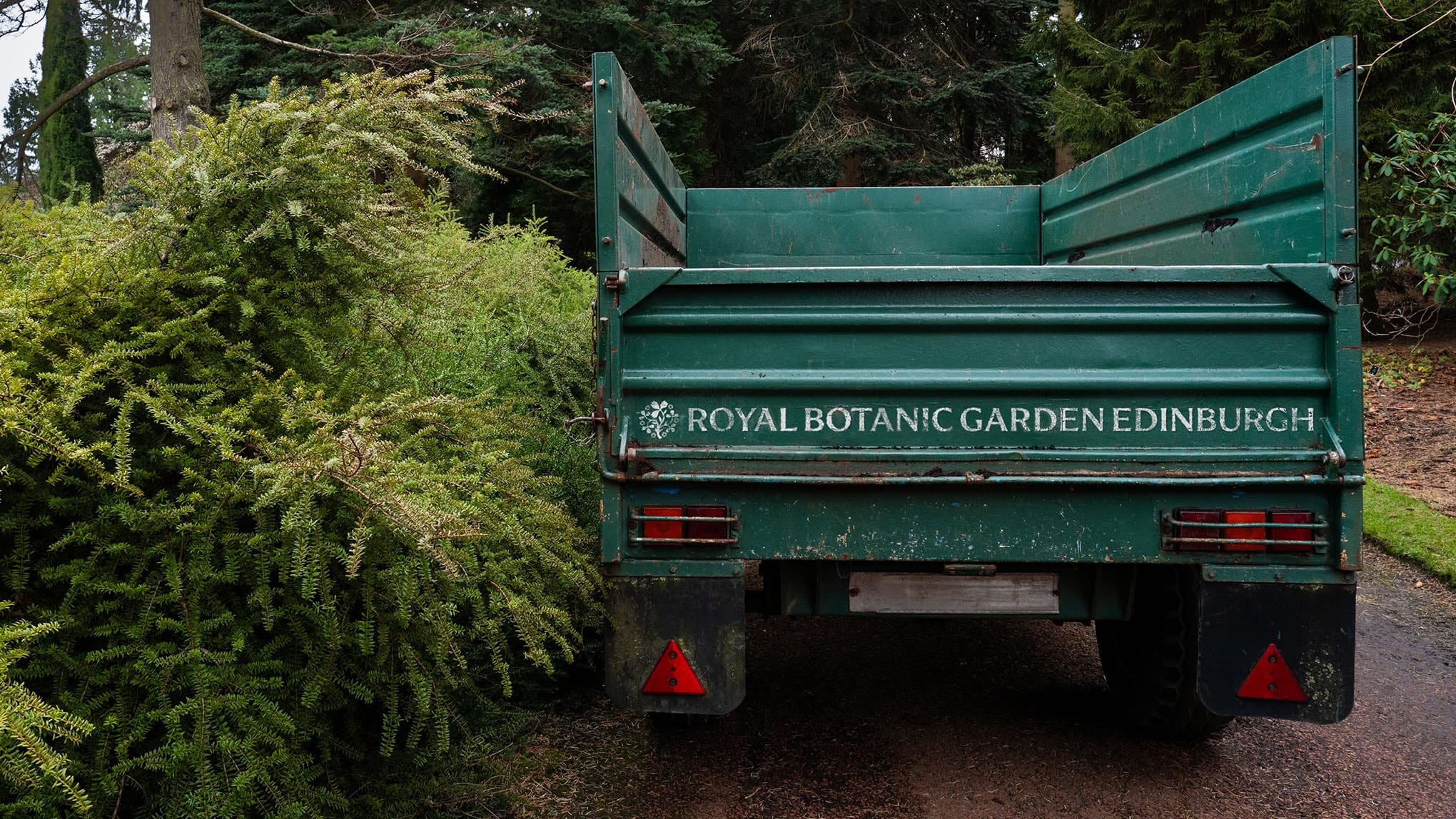
All of the garden logos now link to each other and are consistent, using capital letters that feel a better ‘fit’ for a Royal institution. Everything’s simpler, everything’s related, and everyone’s part of the same family.
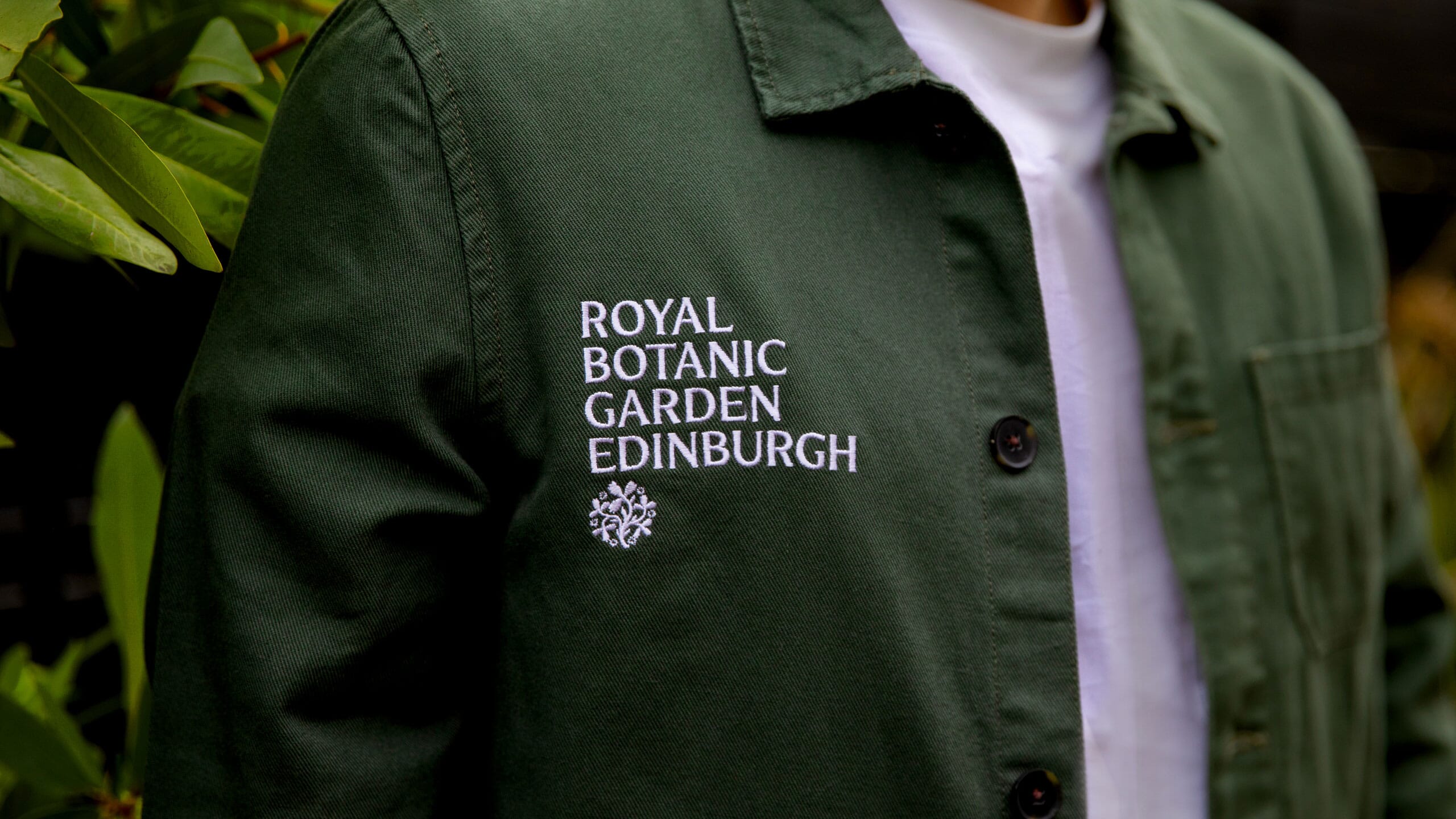
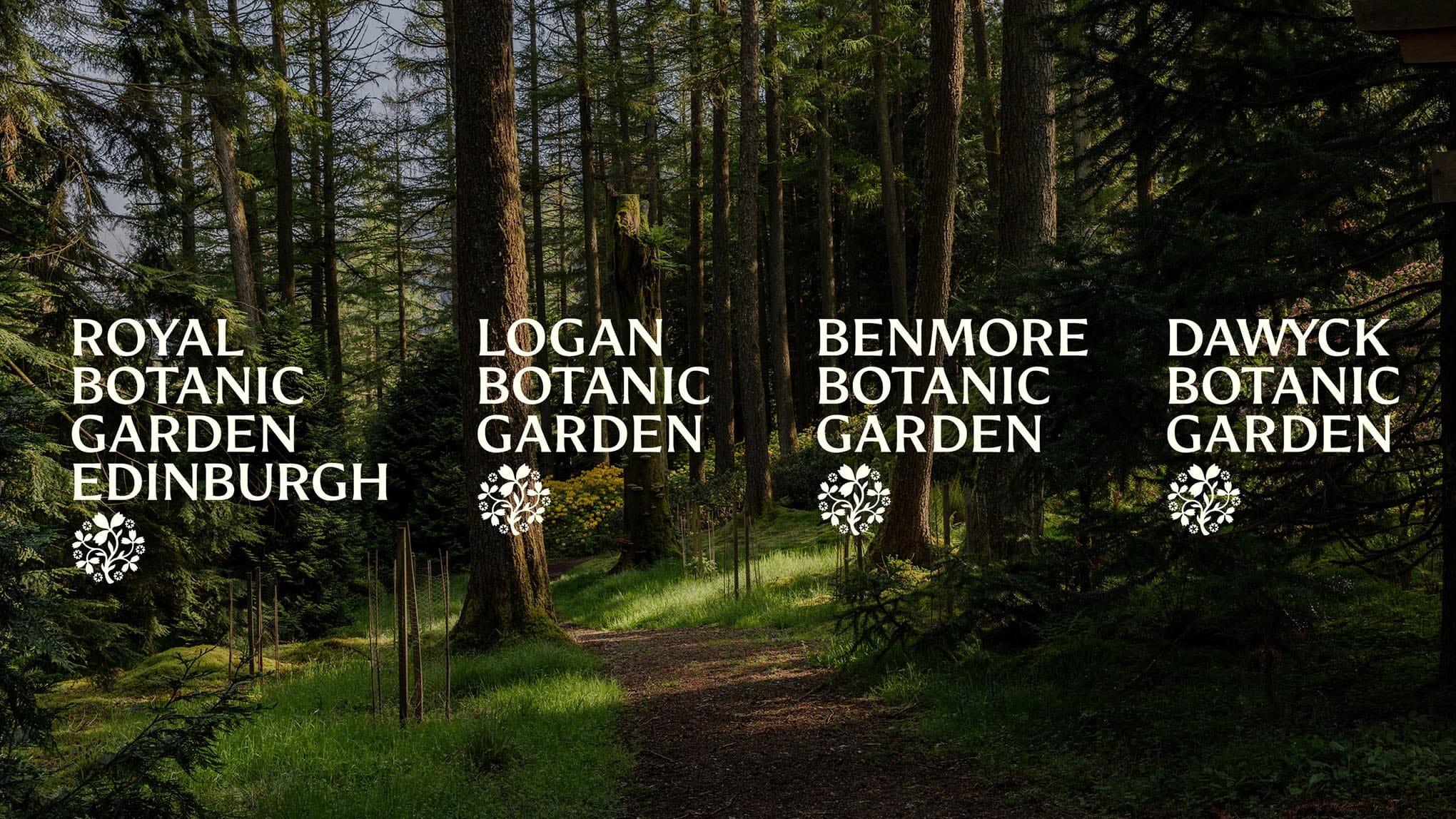
The logos are the first glimpse of a new, bespoke typeface that comes in four weights. A customisation of Nomada Incise, it has a chiselled, elegant feel and in its lightest weight has a series of ligatures that echo the way the Sibbaldia has come to life in both the symbol and in borders.
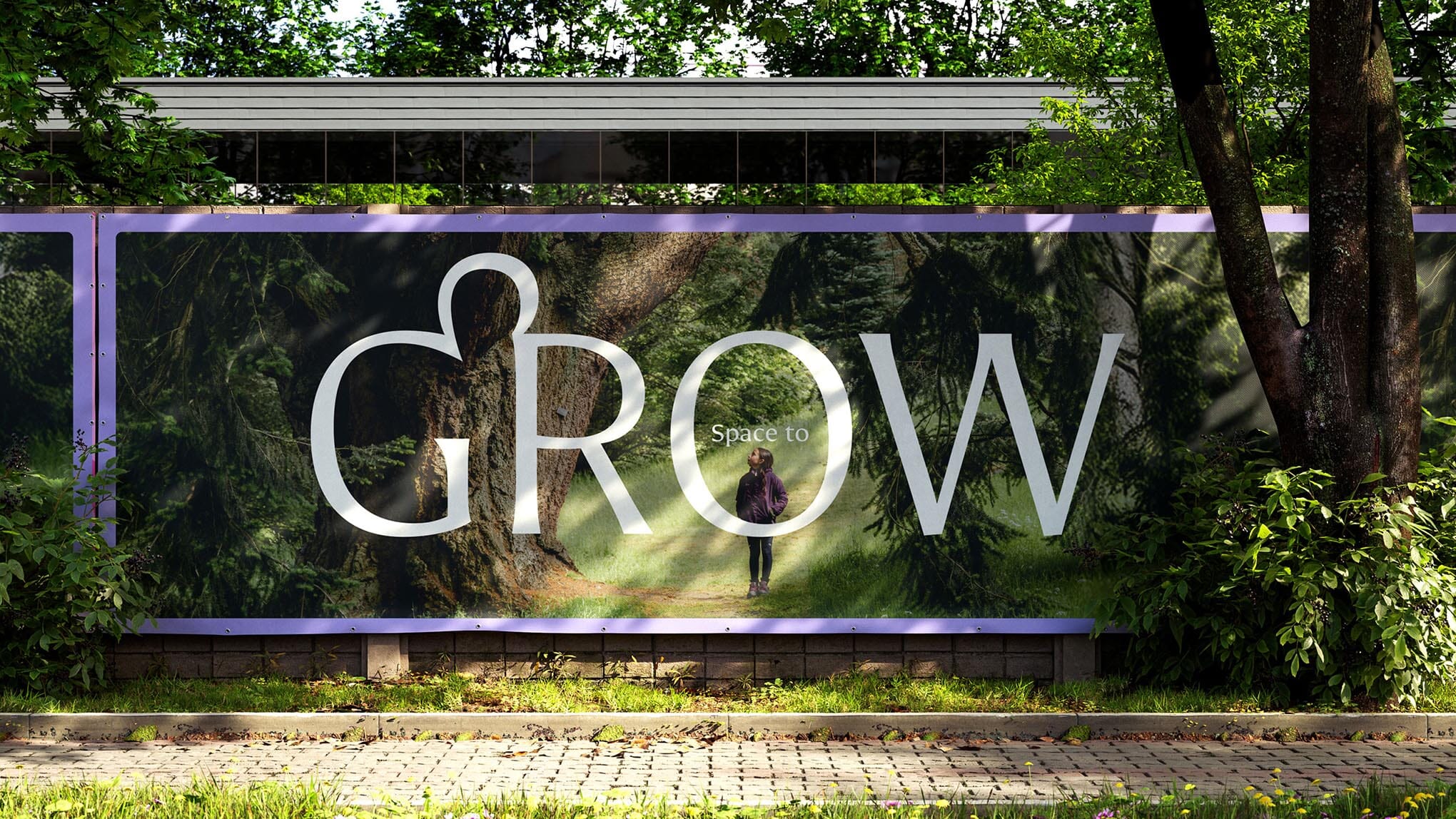
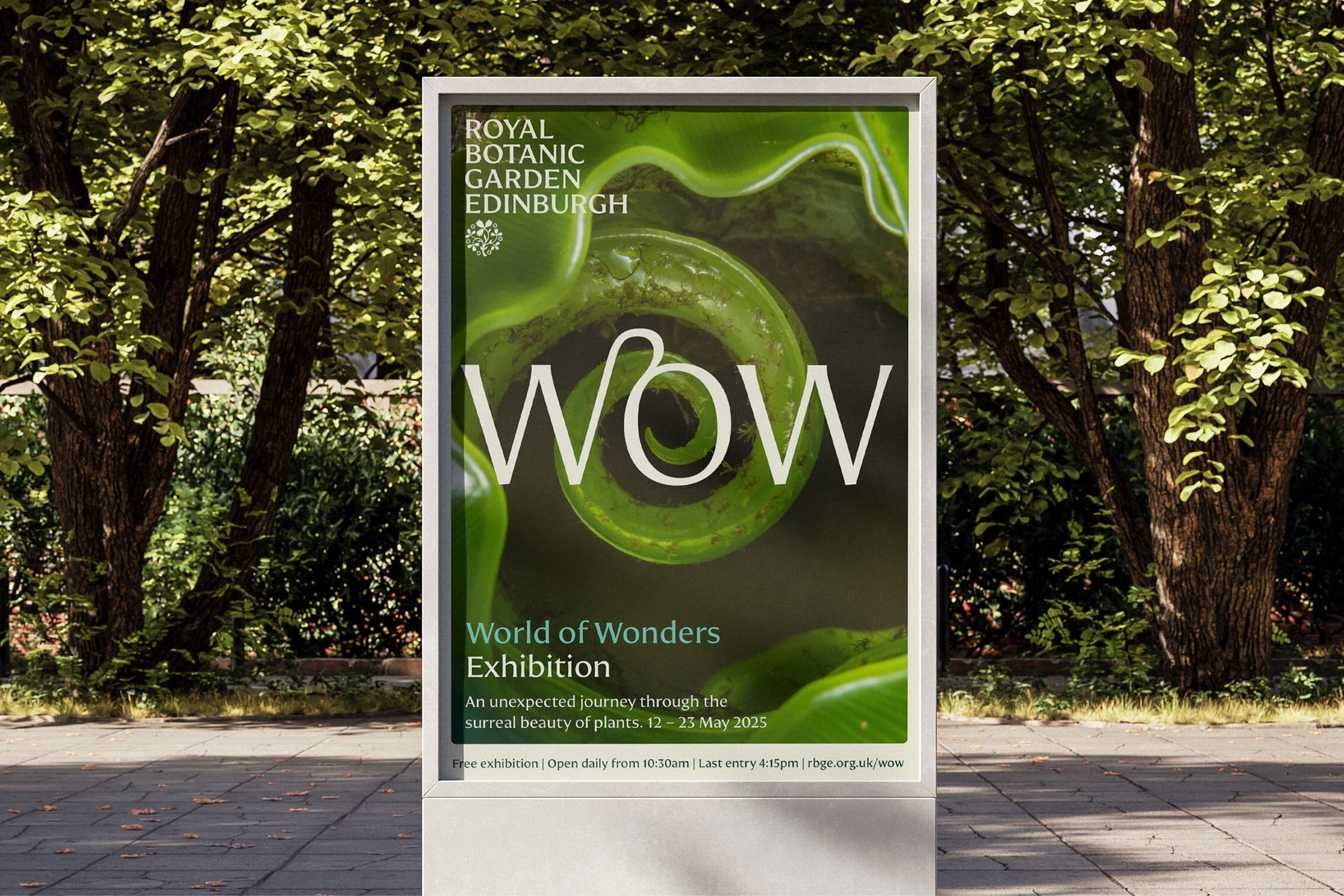
For the colour scheme, it seemed to make sense to turn to nature for our inspiration, with two core greens, a bank of bright colours and some more subdued shades to use within the gardens themselves.
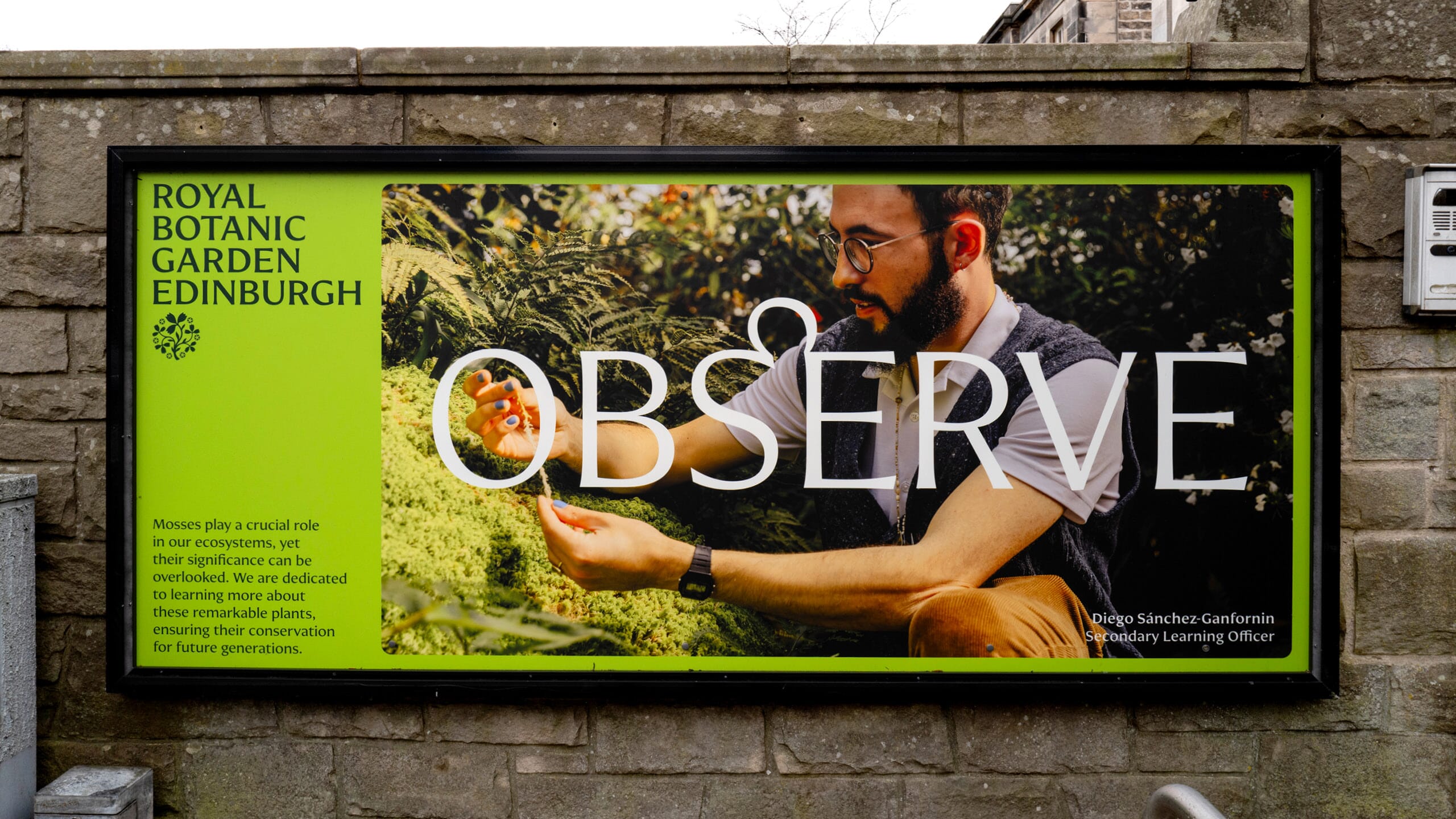
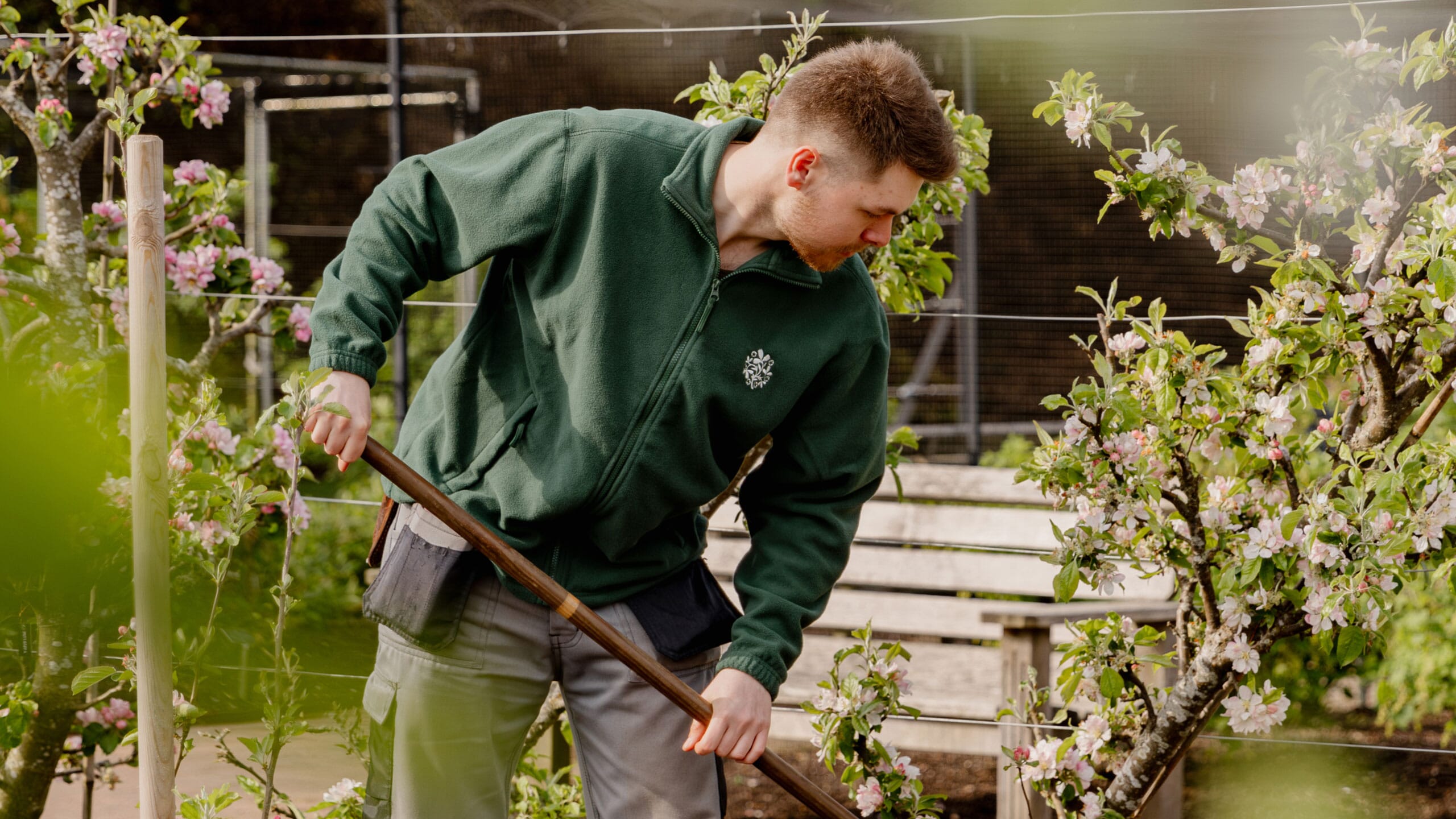
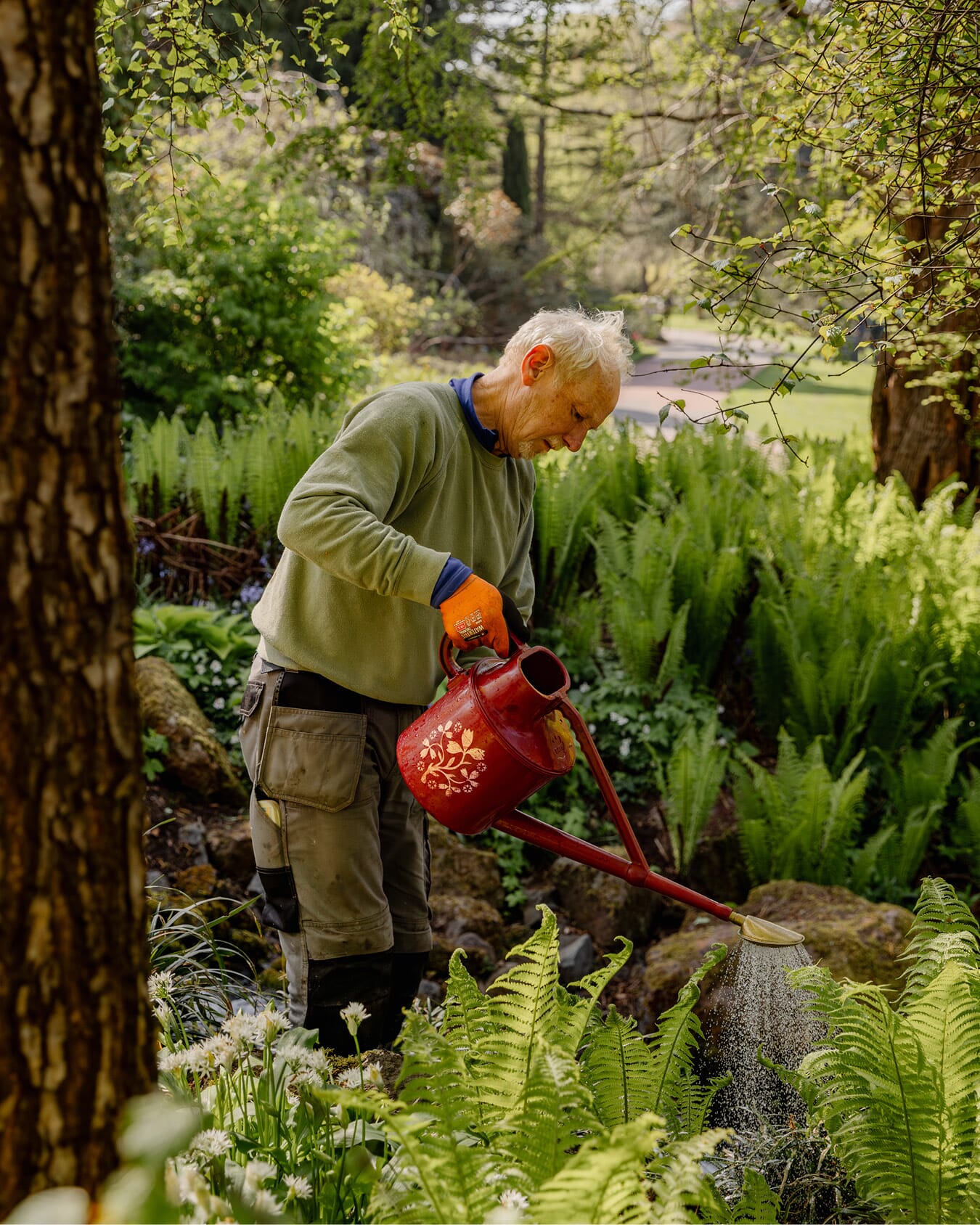
We have also encouraged the team to add to their bank of imagery, which lacked immersive images of their amazing landscapes or authentic photos of their colleagues, visitors, students and volunteers. An extensive photoshoot across all the sites supplied a new bank of images that is transforming the brand, giving a glimpse of what visitors can expect from their visit, and showcasing the behind the scenes heroes that keep the gardens open, and thriving.
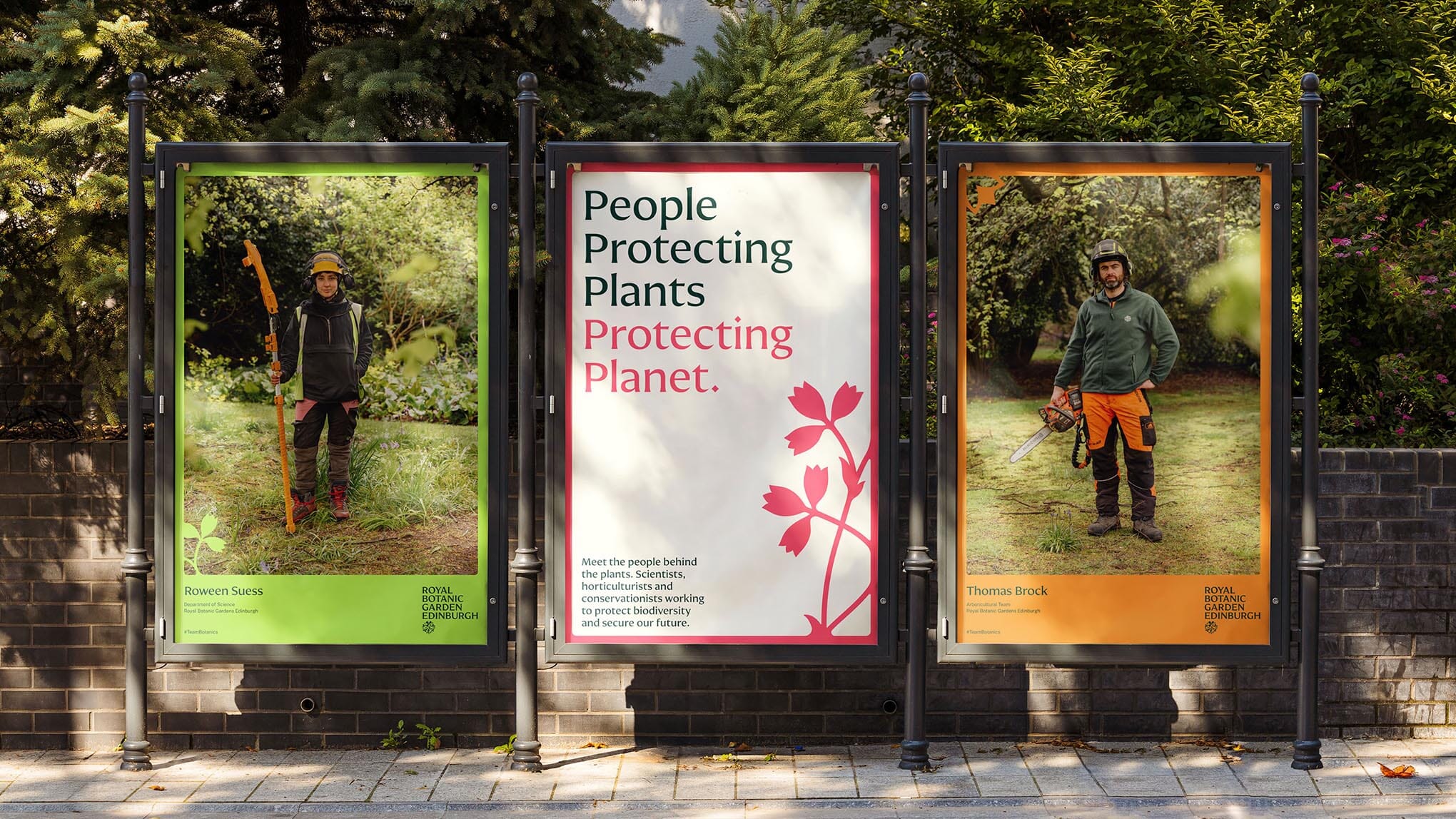
In terms of tone of voice, our starting point is to never assume that what fascinates us, fascinates others. The general public like stories, respond to humour, and often have no idea of the critical role that plants play in all of our lives, so the communication task was to be far bolder across the board.
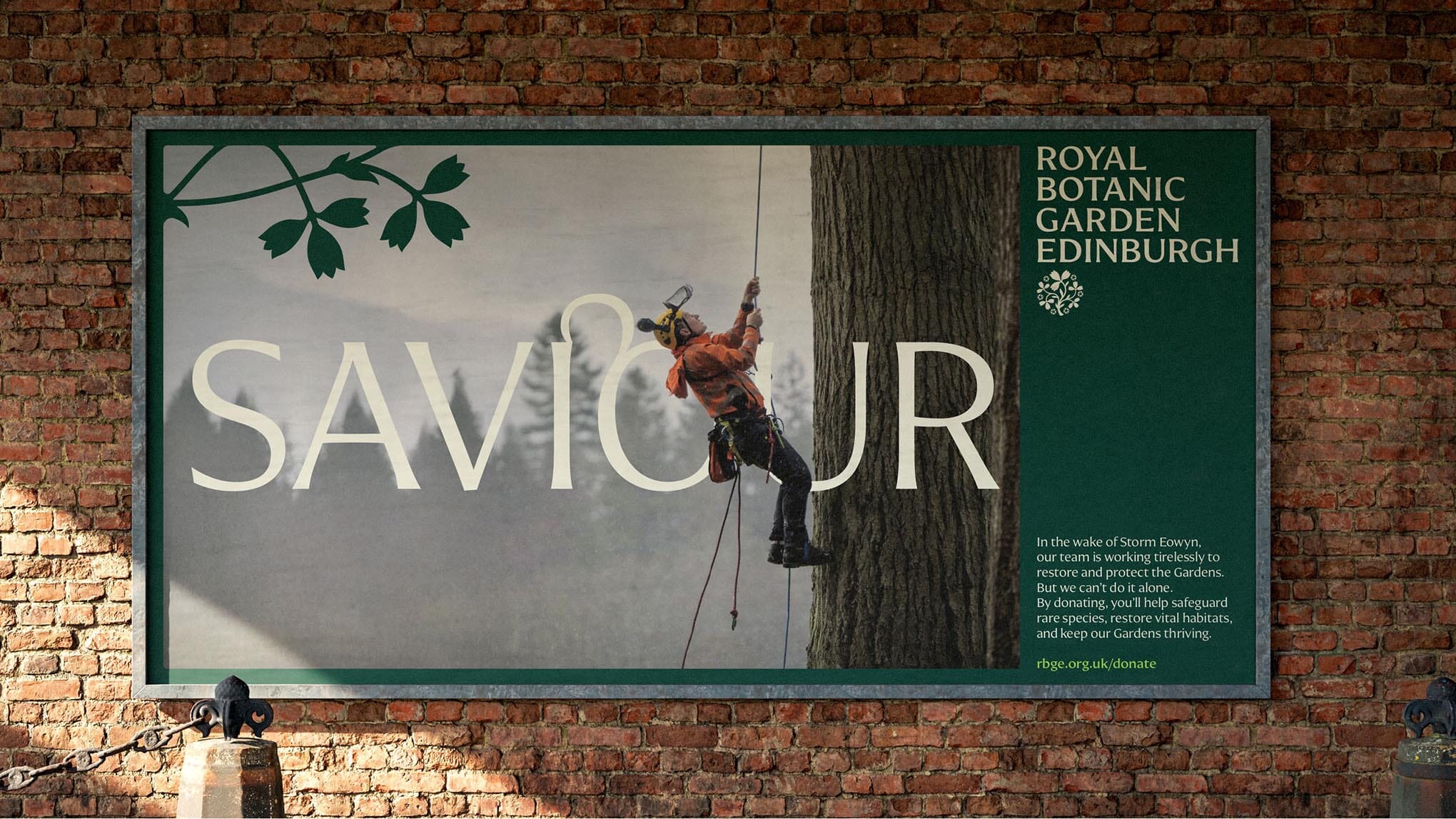
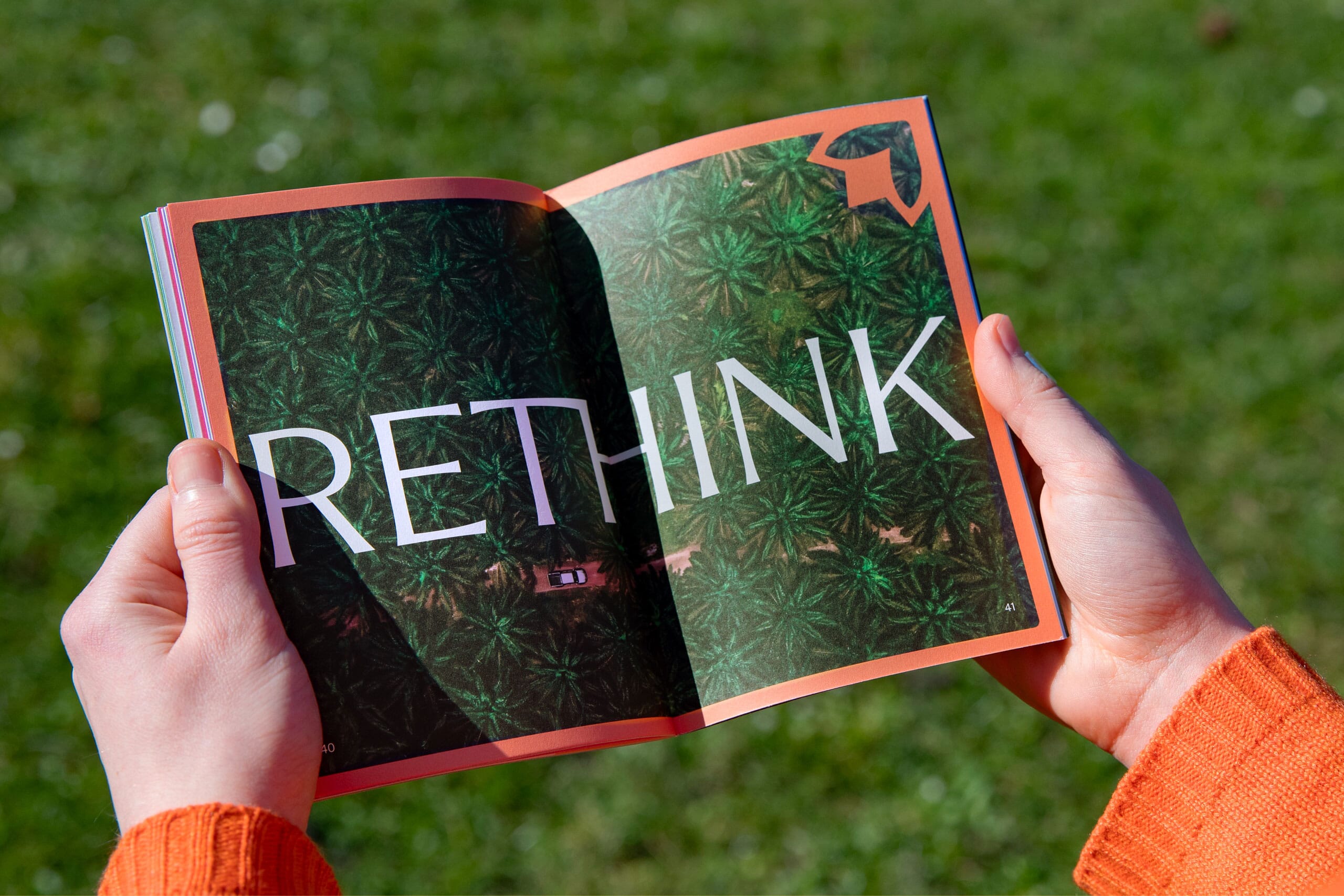
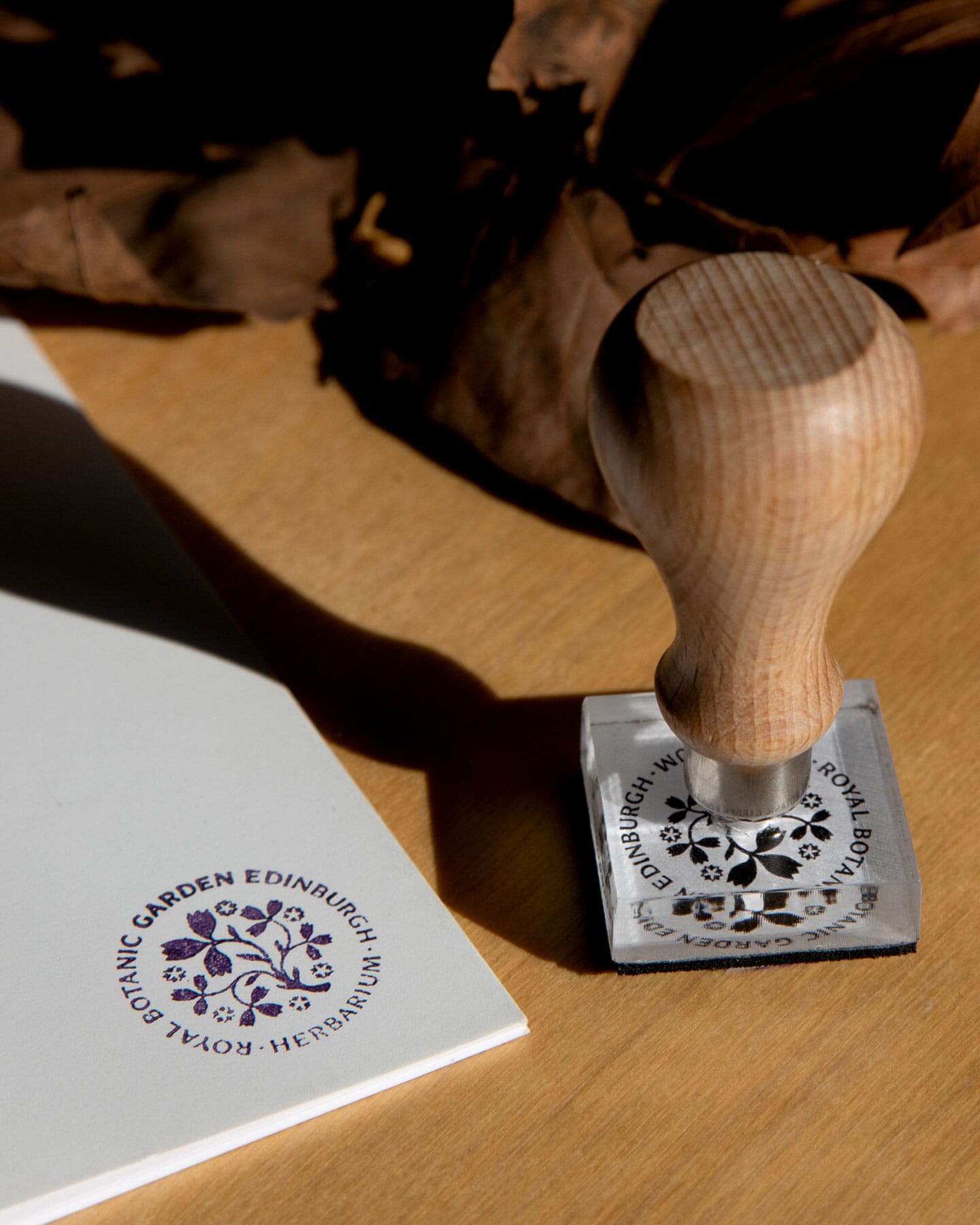
All of these new elements add up to a bold new toolkit, which is rolling out across in the physical estates and their digital domains, from the website through to their world famous herbarium.
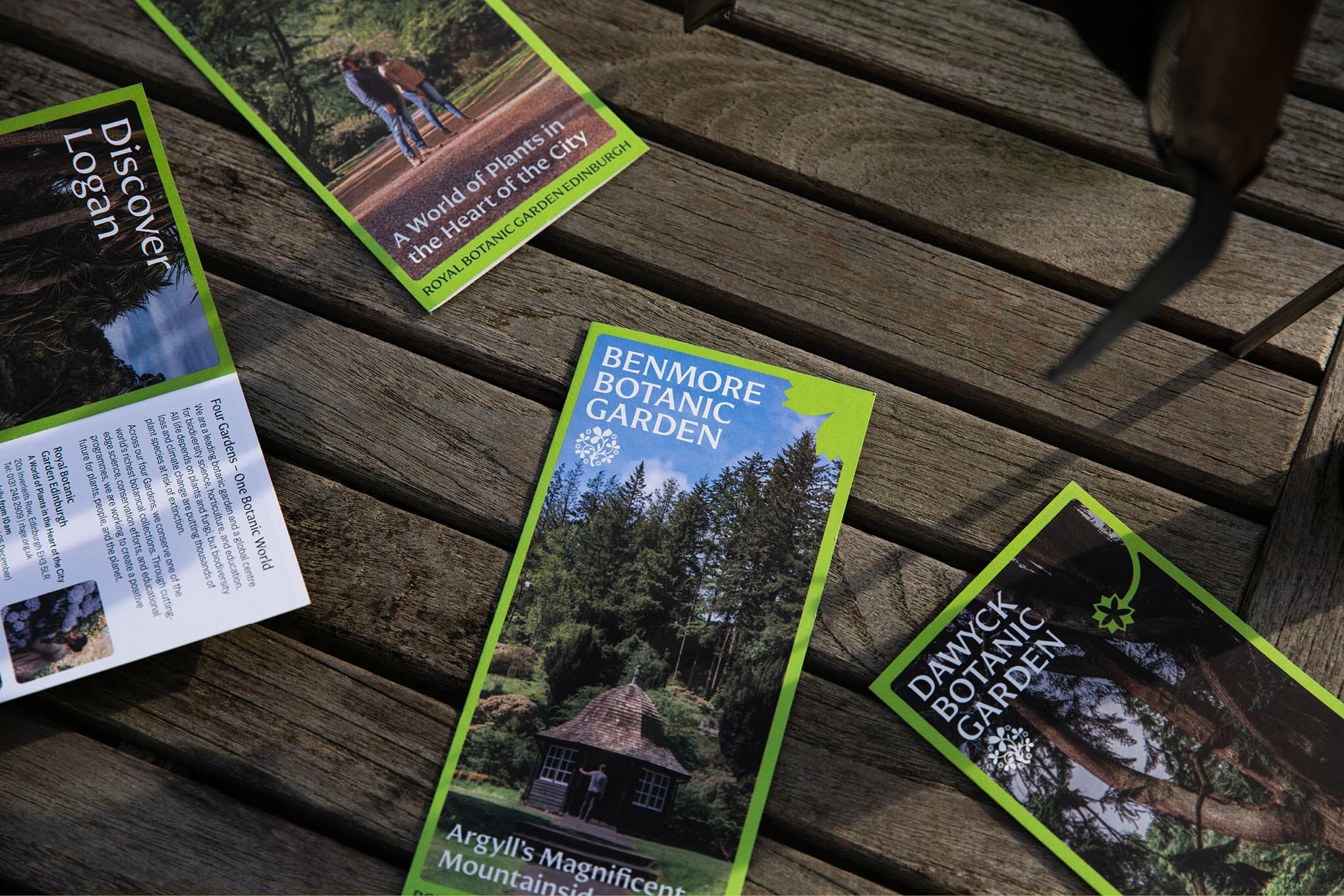
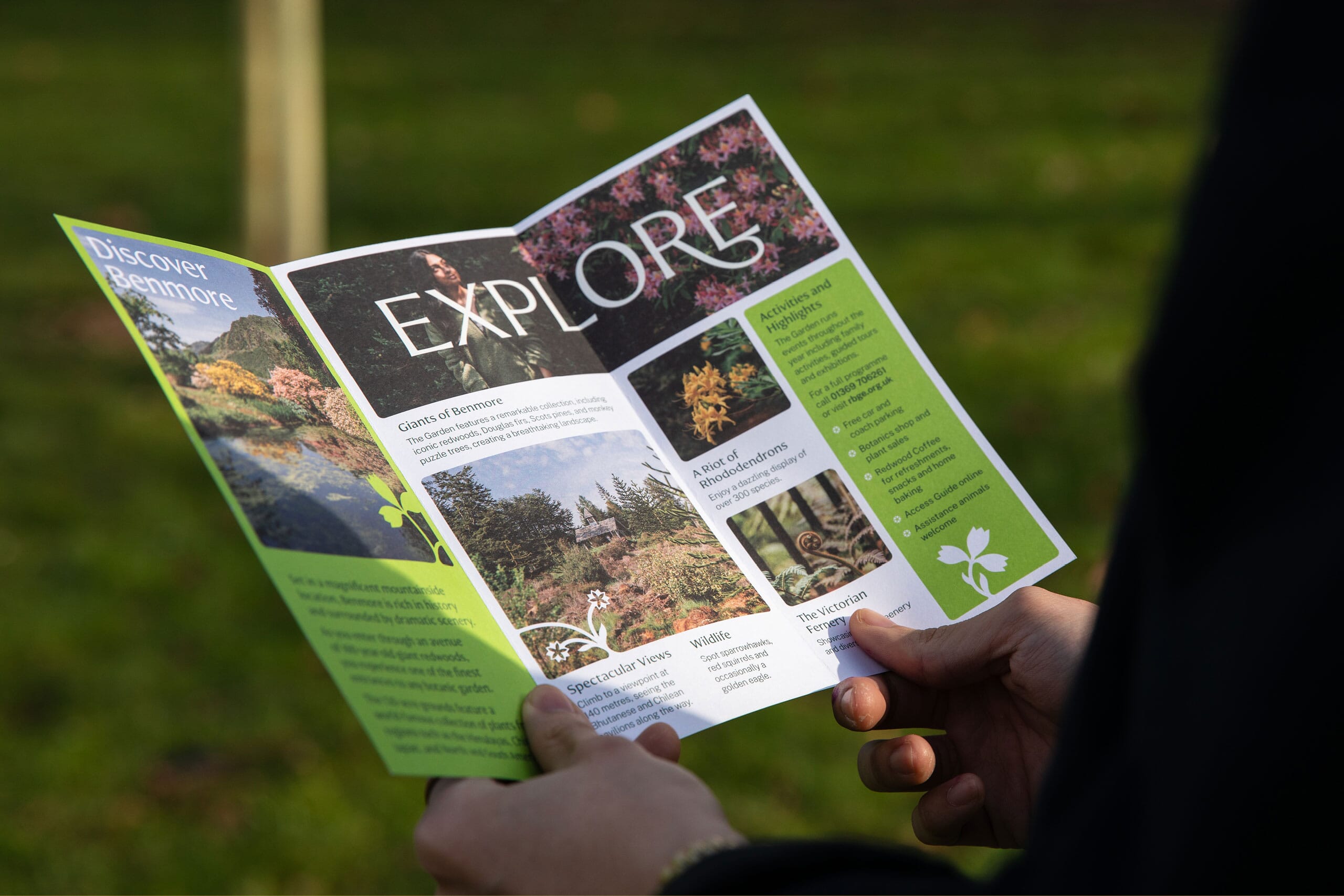
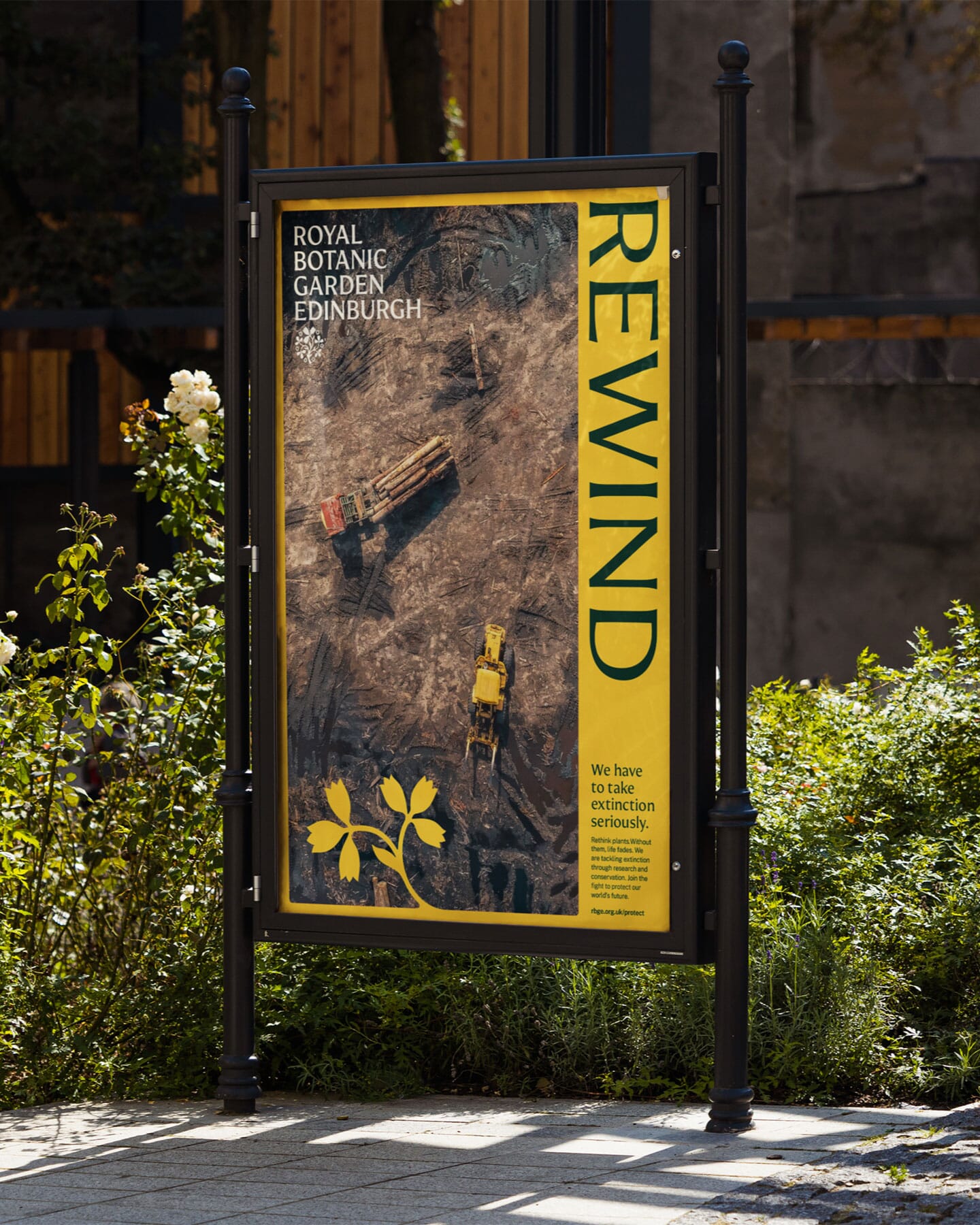
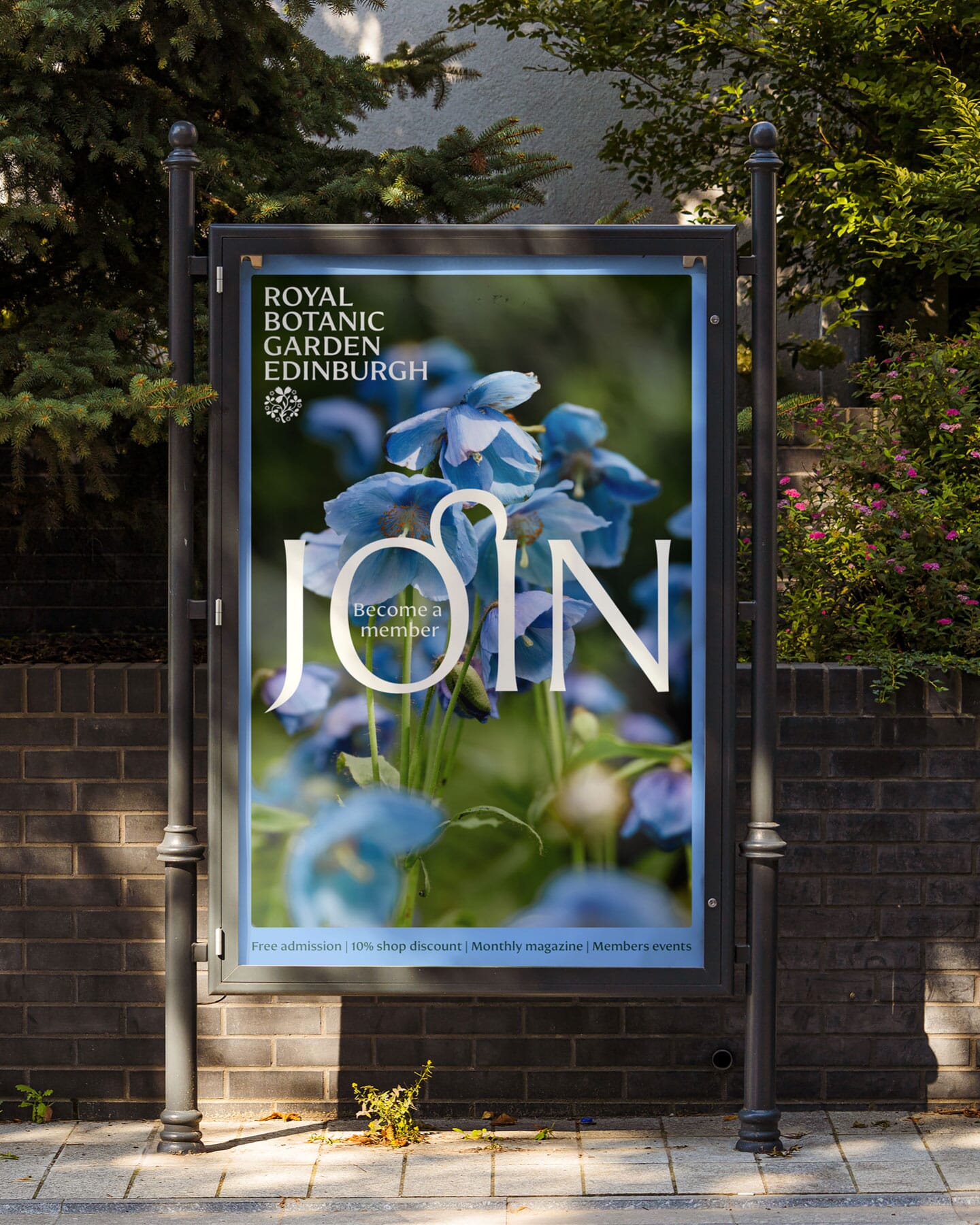
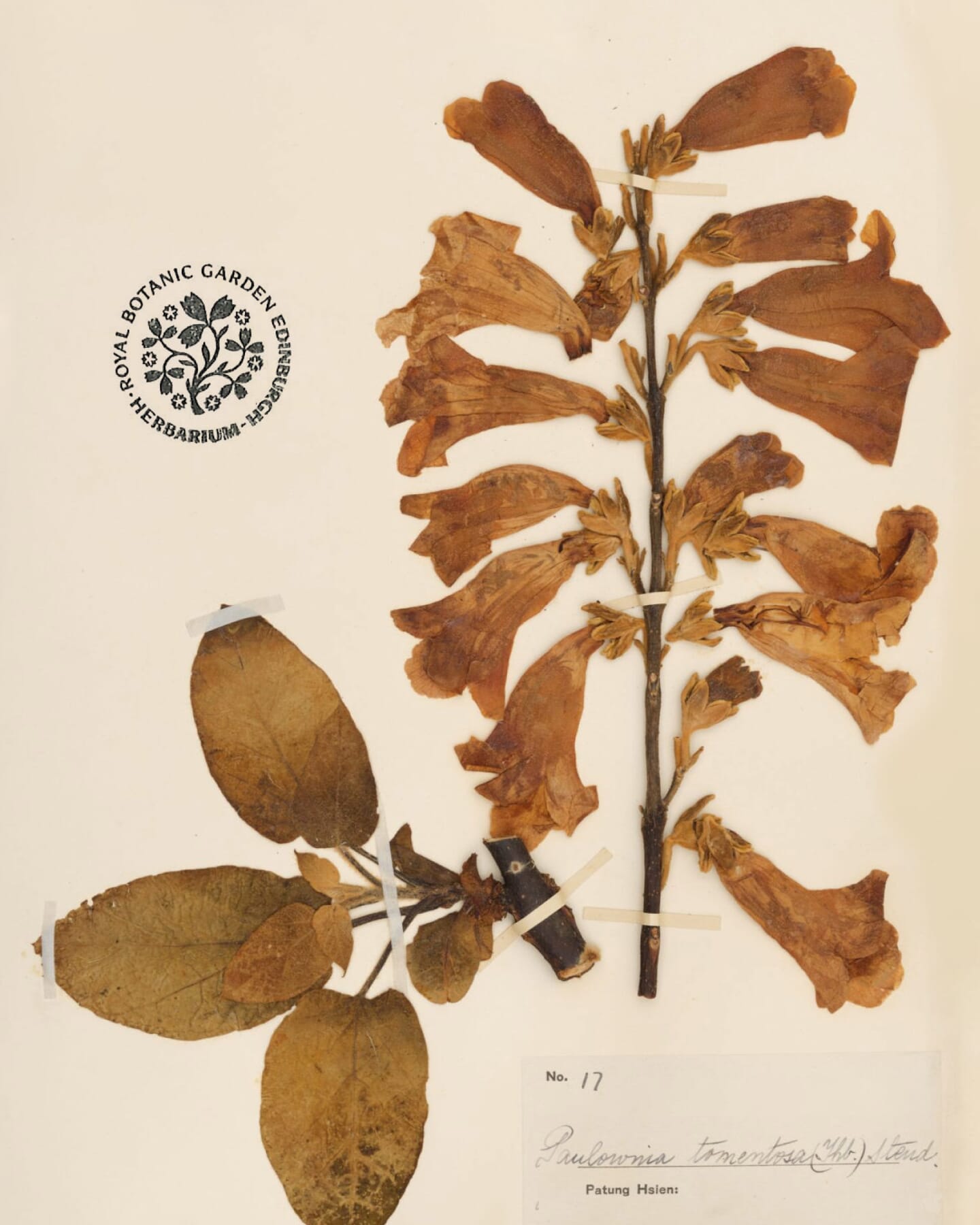
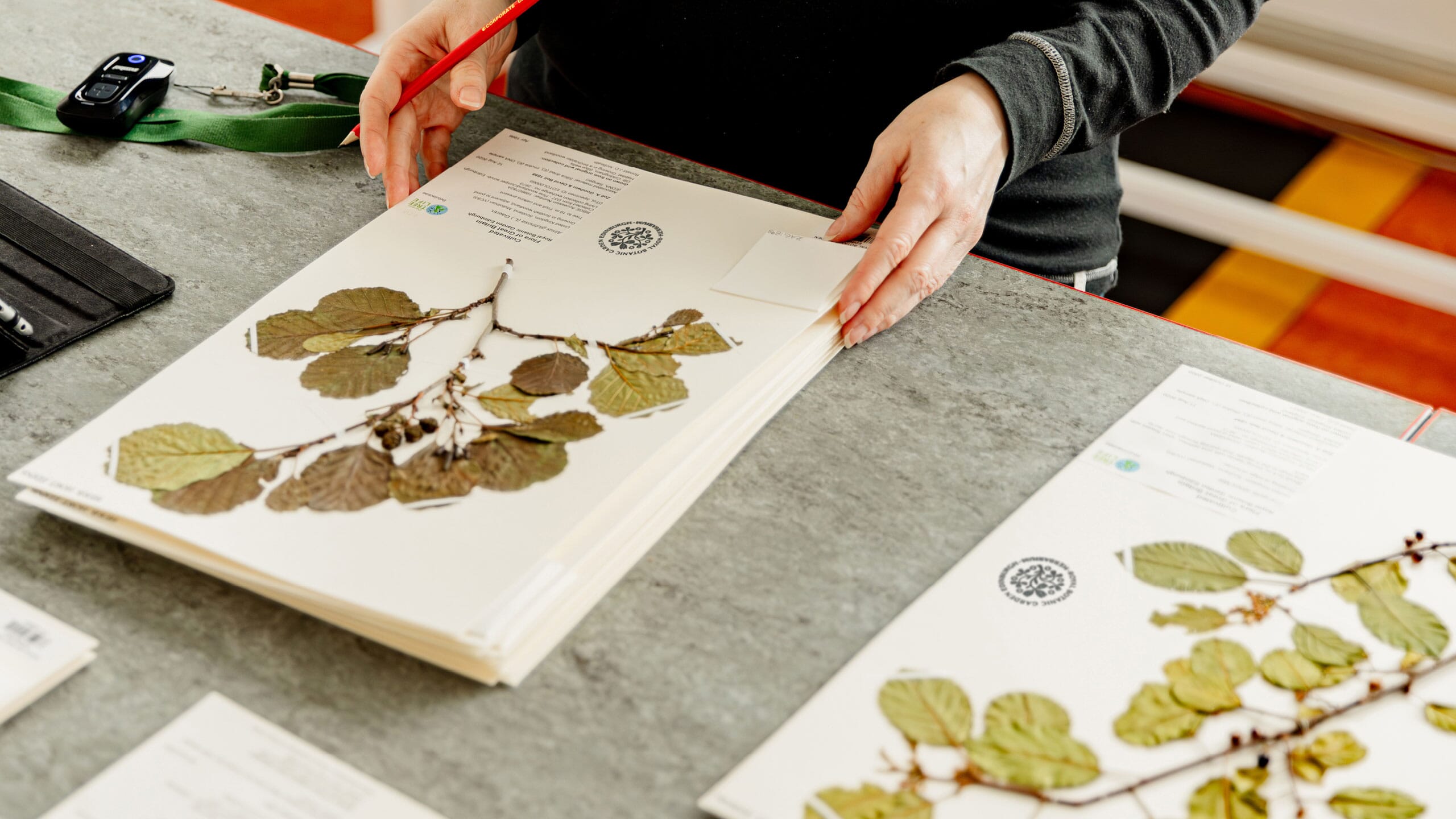
The new website launched early 2025 – traffic jumped up immediately over the first few months and the new brand has helped to drive a fundraising appeal after bad storms wreaked havoc across their four gardens. A survey in 2025 suggested that awareness of their conservation work in Scotland has shot up, from 34% in 2023 to 72% in 2025.
The team
- Strategy: Winster Marsh
- Tone of voice: Johnson Banks
- Brand design, animation and implementation: Johnson Banks
- Typeface design: Johnson Banks and Tipografies Type Foundry
- Principal photography: Eilidh Cameron
- Website design partner: MUD
- Accessibility consultant: Zoonou
Awards
- 2025 Brand Impact Awards | Typography | Silver